
Interest in hemp-derived wellness products has grown rapidly across the United States, and many people are asking a simple but important question: what is cbd oil? From health stores to online marketplaces, CBD oil has become a widely discussed natural product, often associated with relaxation, recovery, and overall balance. For beginners, however, the topic can feel overwhelming due to scientific terms, legal nuances, and conflicting claims.
This comprehensive guide is designed to provide clarity. It explains where CBD oil comes from, how it works in the body, what people commonly use it for, and how to approach it safely and responsibly in the U.S. market. Whether you are simply curious or considering trying it for the first time, this article will walk you through the essentials step by step.

Understanding the Source of CBD Oil
CBD, short for cannabidiol, is a naturally occurring compound found in the Cannabis sativa plant. There are two primary varieties of this plant: marijuana and hemp. While both contain CBD, hemp is defined by U.S. law as cannabis containing no more than 0.3% THC (tetrahydrocannabinol) by dry weight. THC is the psychoactive compound responsible for the “high” associated with marijuana.
CBD oil sold legally in the United States is typically extracted from hemp. This distinction is crucial because hemp-derived CBD does not produce intoxicating effects. Instead, it is valued for its potential wellness applications without impairing mental clarity or daily functioning.
CBD Oil Definition and Basic Explanation
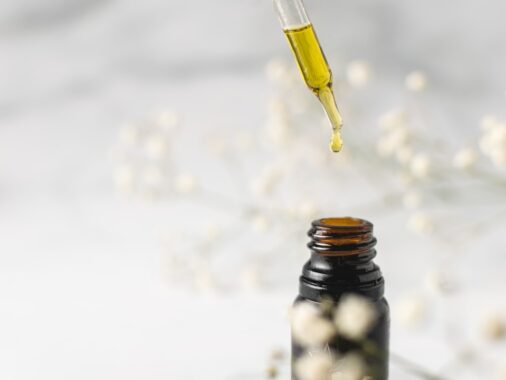
The cbd oil definition can be summarized as a liquid extract made by combining cannabidiol with a carrier oil such as MCT oil, hemp seed oil, or olive oil. The extraction process isolates CBD from the hemp plant, after which it is diluted to create a consumable product.
Put simply, cbd oil explained means understanding that it is not a synthetic drug but a plant-derived compound that interacts with natural systems in the human body. The oil format allows for flexible use, accurate dosing, and relatively fast absorption, depending on how it is consumed.
How CBD Works in the Human Body
To understand how CBD oil functions, it helps to know about the endocannabinoid system (ECS). The ECS is a complex cell-signaling network present in all humans, playing a role in regulating balance, or homeostasis. It influences processes such as mood, sleep, appetite, immune response, and pain perception.
Unlike THC, CBD does not bind directly to cannabinoid receptors. Instead, it interacts indirectly, supporting the ECS in performing its regulatory functions more effectively. Researchers believe this indirect interaction is why CBD is generally well-tolerated and does not cause euphoria or dependence.

CBD Oil Basics for Beginners
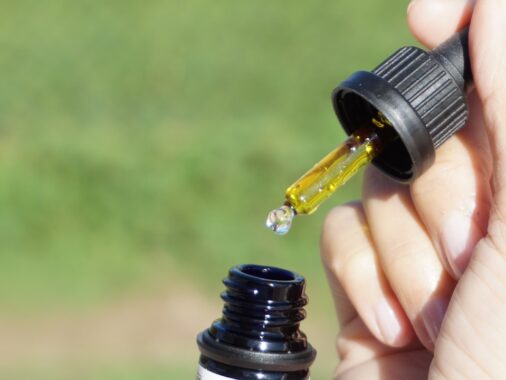
For those new to hemp-derived products, understanding the cbd oil basics is essential. CBD oil is available in several forms, including tinctures, capsules, edibles, and topical creams. Tinctures are among the most popular because they allow users to control serving size and adjust gradually.
CBD oil products may also be categorized as full-spectrum, broad-spectrum, or CBD isolate. Full-spectrum products contain multiple cannabinoids and trace amounts of THC (within legal limits), broad-spectrum products include multiple cannabinoids but no THC, and isolates contain pure CBD only. Each option appeals to different preferences and sensitivities.
Common Applications of CBD Oil
When discussing cbd oil uses, it is important to focus on general wellness rather than medical claims. Many adults incorporate CBD oil into their routines to support relaxation, manage everyday stress, promote restful sleep, or aid post-exercise recovery.
Some people also use CBD oil as part of their skincare regimen, while others explore it as a non-intoxicating option to maintain balance during demanding lifestyles. Individual experiences vary, and results often depend on consistency, quality, and personal body chemistry.
Potential Benefits and Wellness Support
The conversation around cbd oil benefits continues to evolve as research expands. Many users report feeling calmer, more centered, or better able to unwind after incorporating CBD into their daily routine. Others appreciate its non-habit-forming nature and compatibility with an active lifestyle.
It is important to note that while early studies and anecdotal evidence are promising, CBD oil is not intended to diagnose, treat, cure, or prevent any disease. Consumers should approach it as a wellness supplement rather than a pharmaceutical solution.
Legality of CBD Oil in the United States
In the U.S., hemp-derived CBD oil is federally legal under the 2018 Farm Bill, provided it contains no more than 0.3% THC. However, state laws may vary, especially regarding how CBD products can be sold, marketed, or used.
The Food and Drug Administration (FDA) continues to regulate CBD in specific contexts, particularly in food and dietary supplements. Consumers are encouraged to stay informed about local regulations and purchase products from reputable brands that comply with federal and state guidelines.
Choosing a Quality CBD Oil Product
With so many options available, selecting a high-quality CBD oil requires careful consideration. Look for products that are third-party tested, with certificates of analysis (COAs) confirming cannabinoid content and the absence of harmful contaminants such as pesticides, heavy metals, or solvents.
Transparency is a key indicator of quality. Reputable manufacturers clearly list ingredients, sourcing information, and extraction methods. Reading labels carefully and researching the brand can help ensure you are purchasing a safe and reliable product.
Dosage and Responsible Use
There is no universal dosage for CBD oil, as individual needs vary widely. Beginners are often advised to start with a low amount and gradually increase until they find a level that works for them. Factors such as body weight, metabolism, and lifestyle can all influence how CBD is experienced.
Consulting a healthcare professional is especially important if you are taking prescription medications, are pregnant or nursing, or have underlying health conditions. Responsible use is essential to maximizing potential wellness support while minimizing risks.
CBD Oil Overview for First-Time Users
This cbd oil overview highlights why the product has gained mainstream attention: it offers a plant-based option for adults seeking balance without intoxication. Understanding its source, legal status, and proper use empowers consumers to make informed decisions.
As with any wellness product, education and realistic expectations are key. CBD oil is best viewed as one component of a broader healthy lifestyle that includes proper nutrition, exercise, and stress management.
Reliable CBD Oil Information and Research
Access to accurate cbd oil information is essential in a market filled with bold claims and inconsistent messaging. Scientific research on CBD is ongoing, and new findings continue to refine our understanding of how it interacts with the body.
Trusted sources include peer-reviewed journals, government health agencies, and transparent manufacturers that prioritize education over hype. Staying informed helps consumers navigate the space with confidence and caution.
Frequently Asked Questions (FAQ)
Will CBD oil make me feel high?
No. Hemp-derived CBD oil contains minimal THC and does not produce intoxicating effects. Most users report feeling clear-headed and functional.
How long does it take for CBD oil to work?
The onset time depends on the method of use. Sublingual tinctures may take effect within 15–45 minutes, while capsules or edibles can take longer due to digestion.
Is CBD oil safe for daily use?
Many adults use CBD oil daily as part of a wellness routine. However, it is best to consult a healthcare professional, especially if you have medical conditions or take medications.
Conclusion and Call to Action
Understanding what is cbd oil is the first step toward making informed wellness choices. From its hemp-derived origins to its interaction with the body’s natural systems, CBD oil represents a growing area of interest for adults across the United States.
If you are considering adding CBD oil to your routine, take the time to research products, consult trusted professionals, and start with mindful, responsible use. Explore reputable brands, read lab reports, and choose quality over hype. By staying informed, you can decide whether CBD oil aligns with your personal wellness goals.