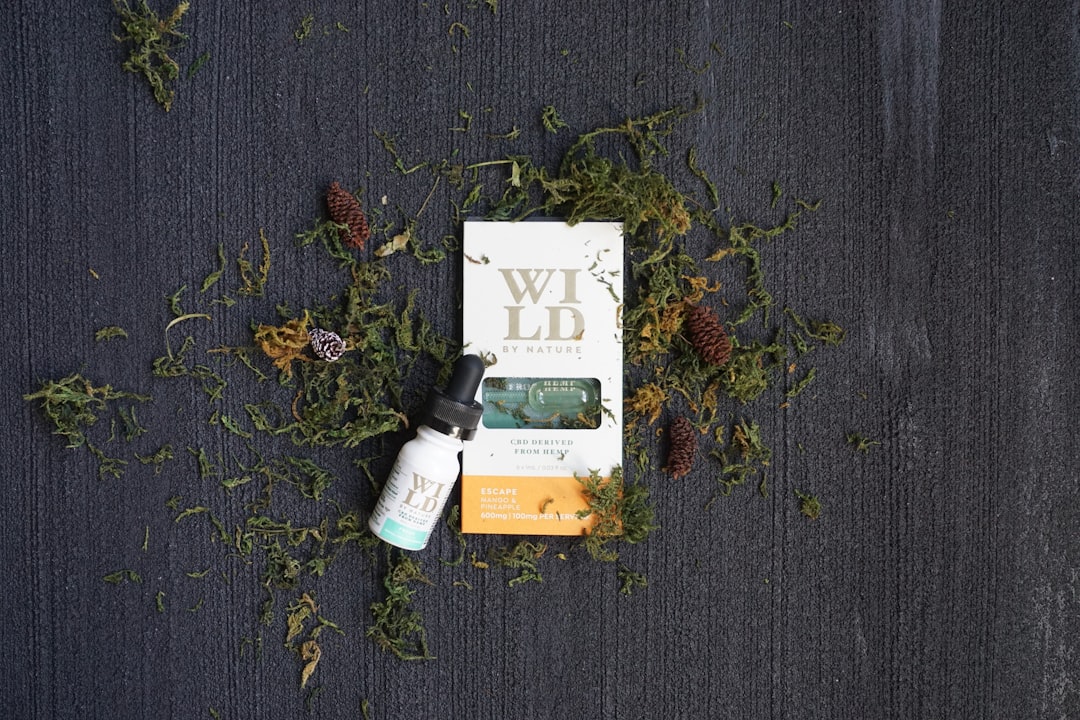

Have you ever stood in a store aisle staring at rows of CBD bottles and wondered which ones you can actually trust? I’ve been there. When a close friend started using organic cbd oil to manage everyday stress, the results were noticeably better than with the bargain brands she tried before. That experience sparked a deeper look into why organic sourcing matters so much for quality and safety.
As CBD grows in popularity across the U.S., the conversation has shifted from “Does it work?” to “Is it clean, safe, and worth it?” This guide breaks down what makes organic CBD different, how to spot high-quality products, and why choosing organic is more than just a buzzword.
What Makes Organic CBD Oil Different?
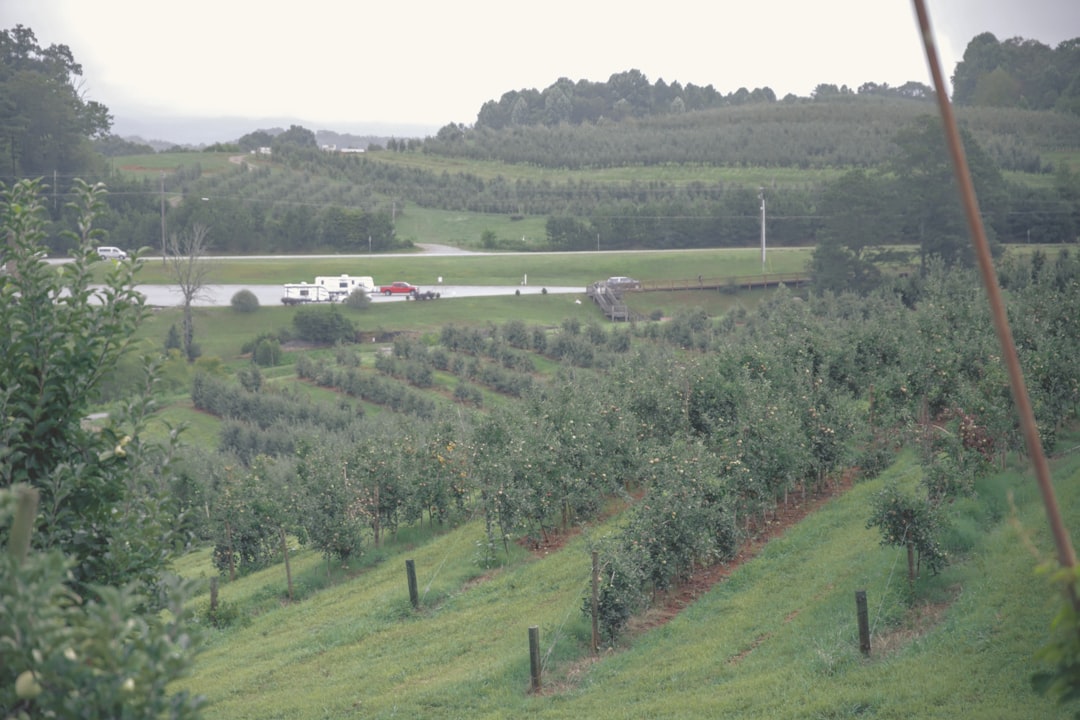
At its core, organic CBD oil comes from hemp grown under strict agricultural standards. These standards limit exposure to synthetic pesticides, herbicides, and chemical fertilizers that can end up in the final product.
Because hemp is a bioaccumulator, it absorbs compounds from the soil. That means poor farming practices can lead to contaminated CBD, while organic methods help protect purity from seed to bottle.
Organic Farming vs. Conventional Hemp
Conventional hemp farming may rely on chemicals to control pests and boost yield. Organic hemp farming focuses on soil health, crop rotation, and natural pest control.
- Cleaner soil equals cleaner hemp extracts
- No synthetic pesticides or GMOs
- Stronger focus on environmental sustainability
This is why many consumers specifically look for organic hemp cbd products when quality is a top priority.
Why Quality and Safety Go Hand in Hand
CBD is often used daily, sometimes long-term. Even trace contaminants can add up over time. Choosing organic isn’t just about ideals; it’s about minimizing unnecessary risks.
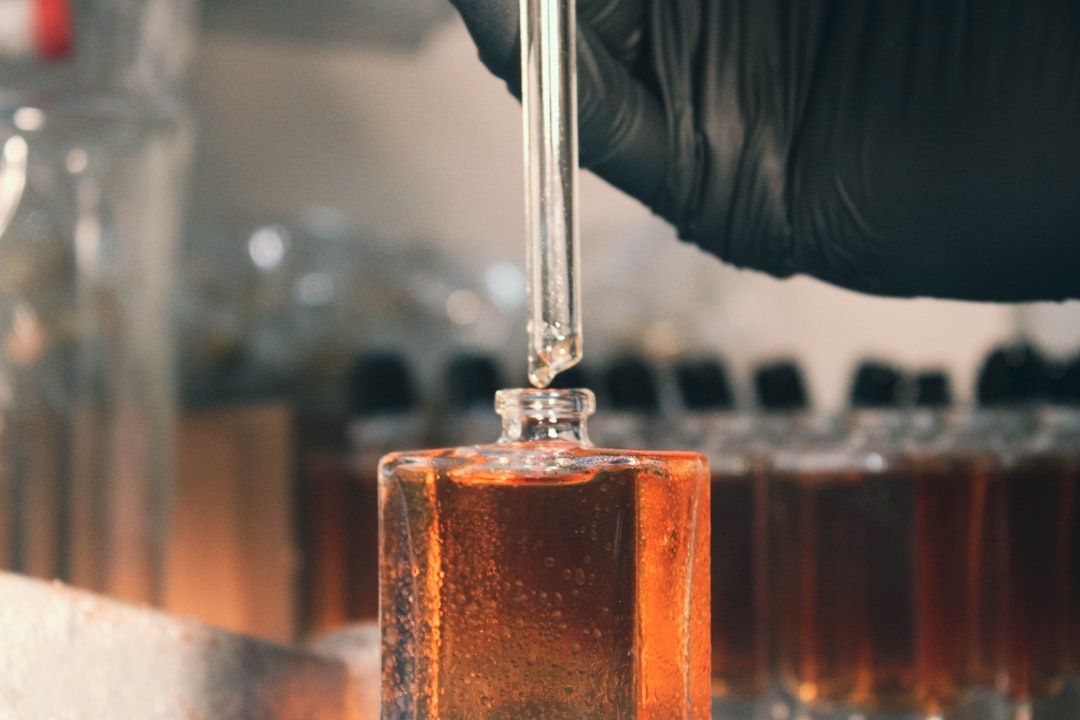
High-quality organic CBD products are typically produced using cleaner extraction methods like CO2 extraction, which avoids harsh solvents and preserves beneficial compounds.
The Role of Third-Party Testing
Trustworthy brands back up their organic claims with third-party lab reports. These reports verify cannabinoid potency and confirm the product is free from contaminants.
Look for lab results that test for:
- Heavy metals
- Residual solvents
- Microbial contaminants
- Pesticides
This extra layer of transparency is a strong signal of brand integrity.
Understanding USDA Organic CBD Labels
Seeing a USDA seal on a CBD product can be reassuring, but it’s important to know what it really means. USDA organic cbd certification requires compliance with federal organic standards across farming and processing.
Not all “organic” claims are equal. Some brands use organic hemp but haven’t completed the full certification process.
Certified vs. “Made With Organic Ingredients”
Here’s how labels typically break down:
- USDA Organic: At least 95% organic ingredients, certified facilities
- Made with Organic Ingredients: Contains organic components but not fully certified
- Organic Claims Without Certification: Requires extra scrutiny
If certification matters to you, verify the brand’s USDA listing or certification number.
The Benefits of Choosing Pesticide-Free CBD Oil
One of the biggest draws of organic products is avoiding unnecessary chemical exposure. Pesticide free cbd oil reduces the risk of ingesting compounds that may irritate the body or interfere with wellness goals.
This matters even more for people with sensitivities or those using CBD as part of a daily routine.
How Cleaner Inputs Affect the End Product
When hemp is grown without synthetic pesticides, the final oil often tastes cleaner and requires less processing. This helps preserve natural cannabinoids and terpenes.
In real-world terms, users often report:
- Smoother flavor
- More consistent effects
- Greater confidence in daily use
Organic CBD Benefits You Can Actually Feel
While everyone’s body responds differently, many users believe organic sourcing enhances the overall experience. The organic cbd benefits aren’t about stronger effects, but about cleaner support.
When my friend switched to an organic option, she noticed fewer headaches and a more predictable sense of calm. That consistency is often what keeps people loyal to organic brands.
Common Reasons People Choose Organic
- Peace of mind about ingredients
- Alignment with a clean lifestyle
- Better transparency from brands
These benefits add up, especially for those focused on long-term wellness.
How to Choose High-Quality Organic CBD Oil
Shopping smart doesn’t require expert knowledge, just a clear checklist. Follow these steps to narrow down trustworthy options.
Step-by-Step Buying Guide
- Check for organic certification or clear sourcing details
- Review third-party lab reports
- Confirm hemp is U.S.-grown
- Look for CO2 extraction methods
- Read ingredient lists carefully
Brands that make this information easy to find are usually more confident in their products.
Common Myths About Organic CBD Oil
Despite growing awareness, misconceptions still exist. Let’s clear up a few.
“Organic Means It Works Better”
Organic doesn’t guarantee stronger effects. It means fewer unwanted substances and a cleaner overall profile.
“Organic CBD Is Always Too Expensive”
While often priced higher, organic products can offer better value through quality, consistency, and trust.
FAQs About Organic CBD Oil
What is organic CBD oil?
Organic CBD oil is made from hemp grown without synthetic pesticides, herbicides, or GMOs and processed under organic standards.
Is USDA organic CBD better than non-certified options?
USDA organic CBD follows federally regulated standards, which can offer more assurance, but quality also depends on testing and transparency.
Can organic CBD oil contain THC?
Yes, full-spectrum organic CBD oil may contain trace THC within legal limits, unless it is labeled THC-free or broad-spectrum.
How can I verify if CBD oil is pesticide free?
Check third-party lab reports that specifically test for pesticides and review the brand’s sourcing information.
Is organic CBD oil safe for daily use?
Many people use organic CBD oil daily, but it’s best to consult a healthcare professional, especially if you take medications.
Final Thoughts: Is Organic CBD Oil Worth It?
Choosing organic cbd oil is about protecting what you put into your body and supporting higher standards across the industry. From cleaner farming to better transparency, organic options offer a level of trust that many consumers value.
If you’re exploring CBD for the first time or thinking about upgrading, start by reviewing labels, lab reports, and sourcing details. Ready to make a more informed choice? Take the next step by comparing certified organic brands and finding one that fits your wellness goals today.