
Is the CBD oil you’re buying truly clean—or just cleverly marketed? With labels getting busier and buzzwords everywhere, many shoppers are asking smarter questions. One of the most common is about non gmo cbd oil and whether it really makes a difference. This guide breaks it all down in plain English, so you can shop with confidence and clarity.
What Does Non-GMO CBD Oil Really Mean?
At its core, non-GMO CBD oil is made from hemp plants that are not genetically modified. That means the seeds used to grow the hemp haven’t been altered in a lab to resist pests or tolerate herbicides.
In the U.S., hemp is often grown naturally, but “non-GMO” adds an extra layer of transparency. It signals that the brand is committed to traditional cultivation methods and cleaner inputs from seed to shelf.
This matters because CBD oil quality starts with the plant. When hemp is grown without genetic modification, it’s easier to trace its origin and farming practices.
Non-GMO vs. Organic: Are They the Same?
No, they’re related but not identical. Non-GMO simply means the plant isn’t genetically engineered. Organic, on the other hand, includes strict rules about pesticides, soil health, and processing.
You can find products that are non-GMO but not certified organic, and vice versa. The best options often carry both claims, but each stands on its own.
Why Non-GMO Matters for CBD Oil Quality
CBD is concentrated from hemp, so anything in the plant can end up in the final oil. That’s why sourcing matters so much.
Non-GMO hemp is often grown with fewer chemical inputs, which can support better purity and consistency. While genetics alone don’t guarantee quality, they’re an important first step.
How Genetics Influence the Final Product
Hemp genetics affect cannabinoid levels, terpene profiles, and overall plant resilience. Non-modified plants tend to reflect natural variations rather than engineered traits.
For consumers, this can mean a more predictable and balanced extract when combined with proper farming and extraction methods.
Key Benefits of Choosing Non-GMO CBD Oil
People choose non-GMO CBD oil for different reasons, from personal values to wellness goals. Here are some of the most common benefits buyers report.
- Cleaner sourcing: Fewer concerns about hidden genetic alterations.
- Transparency: Easier to verify seed origin and farming practices.
- Consumer trust: Aligns with clean-label and natural product preferences.
- Potential purity: Often paired with higher cbd oil quality standards.
While research on genetic modification and CBD effects is limited, many consumers prefer to minimize unknown variables in their wellness routine.
A Real-Life Example from Everyday Use
A friend of mine switched CBD brands after experiencing inconsistent results. She noticed that a product labeled as non-GMO, with clear lab reports, felt more reliable week to week.
Was it magic? No. But the consistency helped her feel confident in what she was taking, which is a big part of any wellness habit.
Understanding Non-GMO Hemp CBD and Farming Practices
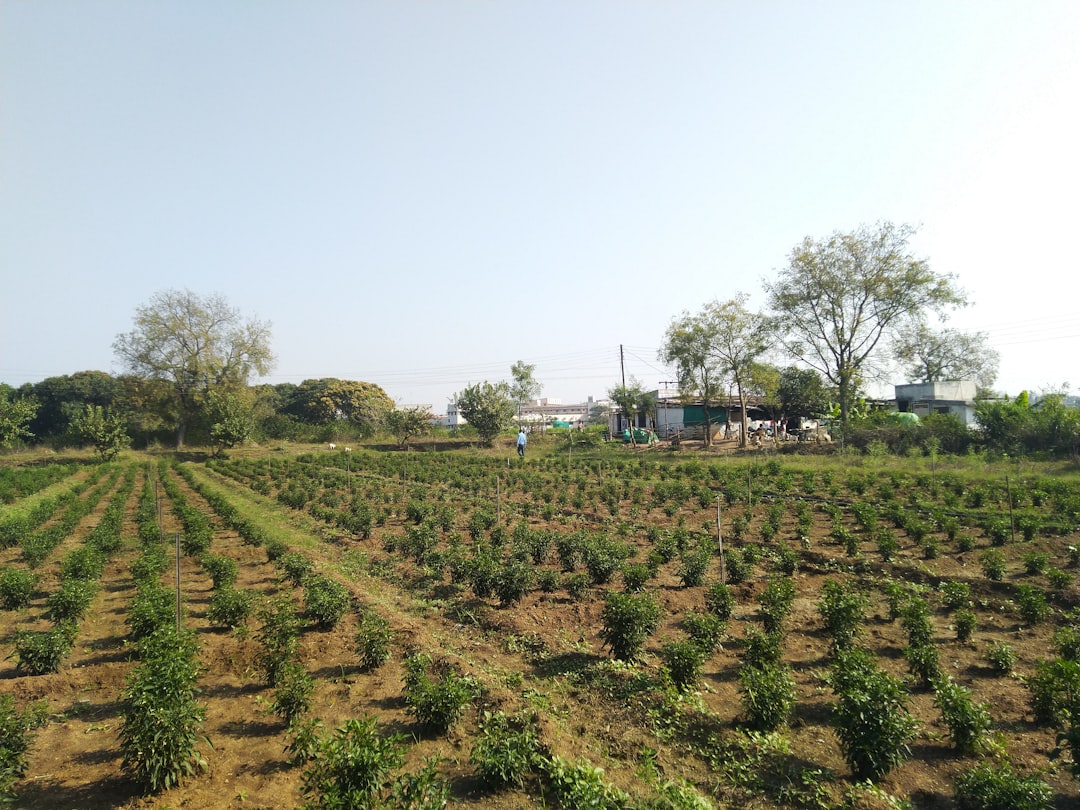
Non gmo hemp cbd typically comes from farms that focus on seed integrity and responsible cultivation. Many U.S. farmers use traditional breeding rather than genetic engineering.
These farms often emphasize soil health, crop rotation, and careful harvesting. While not guaranteed, this approach often pairs well with sustainable practices.
U.S. Hemp Laws and GMO Status
Currently, genetically modified hemp is not widely commercialized in the United States. That said, non-GMO labeling still plays a role in accountability and documentation.
Brands that go the extra mile to verify non-GMO status usually provide supporting details, such as supplier statements or certifications.
How to Read Labels: A Step-by-Step Guide
CBD labels can be confusing. Here’s a practical way to evaluate whether a product truly meets your expectations.
- Look for non-GMO claims: Clear wording, not vague phrases.
- Check third-party lab reports: These should confirm cannabinoid content and purity.
- Review sourcing info: U.S.-grown hemp is easier to trace.
- Scan the ingredient list: Fewer ingredients often mean fewer surprises.
- Assess overall transparency: Trust brands that explain their process.
This process reflects modern cbd oil quality standards, where openness is just as important as potency.
What About “GMO Free” Claims?
You may see the phrase gmo free cbd oil used interchangeably with non-GMO. In most cases, they mean the same thing.
The key is consistency. If a brand uses one claim, it should support it with documentation and testing, not just marketing language.
Common Myths About Non-GMO CBD Oil
Misinformation can make shopping stressful. Let’s clear up a few common myths.
- Myth: Non-GMO automatically means higher potency.
Fact: Potency depends on extraction and formulation. - Myth: All CBD is non-GMO by default.
Fact: Not all brands verify or disclose seed sources. - Myth: Non-GMO guarantees organic quality.
Fact: These are separate standards.
Understanding these distinctions helps you make decisions based on facts, not assumptions.
How Non-GMO Fits Into Broader CBD Oil Quality Standards
Quality CBD oil is the result of multiple factors working together. Non-GMO status is one piece of a larger puzzle.
Other key elements include clean extraction methods, accurate labeling, and rigorous testing. When these align, you’re more likely to get a safe and effective product.
What Experts Look For
Industry professionals often evaluate CBD oil using a checklist: source, genetics, extraction, testing, and consistency.
Non-GMO sourcing supports this framework by reducing uncertainty at the very first stage—plant selection.
Is Non-GMO CBD Oil Worth It for You?
The answer depends on your values and priorities. If you care about transparency, traceability, and natural sourcing, it’s a strong choice.
For many users, peace of mind is a real benefit. Knowing what’s not in your product can be just as important as knowing what is.
Frequently Asked Questions About Non-GMO CBD Oil
What does non-GMO CBD oil mean?
It means the CBD oil is made from hemp plants that were not genetically modified, offering clearer sourcing and transparency.
Is non-GMO CBD oil safer than regular CBD oil?
Non-GMO status alone doesn’t guarantee safety, but it supports cleaner sourcing when combined with third-party testing.
How can I verify if a CBD oil is truly non-GMO?
Check for brand documentation, third-party lab reports, and clear sourcing information on the label or website.
Does non-GMO CBD oil contain THC?
It can, depending on whether it’s full-spectrum, broad-spectrum, or isolate, but non-GMO status doesn’t determine THC content.
Is non-GMO the same as organic in CBD products?
No, non-GMO refers to genetics, while organic covers farming and processing practices.
Final Thoughts: Making a Confident Choice
Choosing non gmo cbd oil isn’t about chasing trends. It’s about understanding what you’re buying and why it matters to you.
When you pair non-GMO sourcing with solid testing and transparent labels, you’re aligning with higher standards and smarter wellness choices.
Ready to shop smarter? Start by checking your current CBD label today and look for clear, verified non-GMO information before your next purchase.