
How Effective Is CBD Oil? Evidence-Based Review
Is CBD oil a wellness breakthrough or just another trend? With millions of Americans trying it for pain, sleep, and anxiety, the question of cbd oil effectiveness matters more than ever. This evidence-based review breaks down what science says, what users experience, and how to decide if CBD oil is right for you.
Rather than hype, this article focuses on real research, practical guidance, and clear limits. You’ll learn where CBD shows promise, where evidence is mixed, and how to use it responsibly.

What Is CBD Oil and How Does It Work?
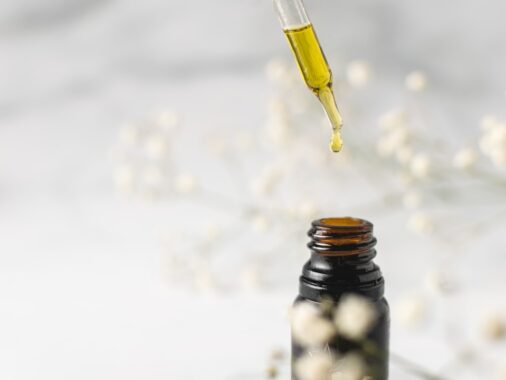
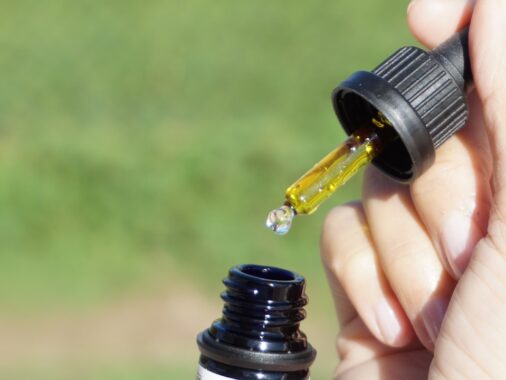
CBD, short for cannabidiol, is a compound found in hemp. Unlike THC, it does not cause a “high.” CBD oil is typically taken under the tongue, swallowed, or applied to the skin.
CBD interacts with the body’s endocannabinoid system (ECS), a network of receptors involved in balance, mood, pain, sleep, and immune function. Instead of directly activating receptors, CBD influences how they respond, which may explain its broad effects.
Types of CBD Oil
- Full-spectrum: Contains CBD plus trace cannabinoids and terpenes, including legal amounts of THC.
- Broad-spectrum: Similar to full-spectrum but without THC.
- CBD isolate: Pure CBD with no other compounds.
Research suggests that full- and broad-spectrum products may work better due to the “entourage effect,” where compounds support each other.
What Does Research Say About CBD Oil Effectiveness?
Scientific interest in CBD has grown fast. While it is not a cure-all, studies point to several areas where benefits are plausible. Below is a balanced look at current cbd oil research results.
Pain and Inflammation
Multiple human and animal studies suggest CBD may reduce inflammation and pain signaling. A 2020 review in Frontiers in Pharmacology found CBD showed potential for chronic pain conditions, including arthritis and neuropathic pain.
That said, results vary. CBD appears more helpful for ongoing, inflammatory pain than for sudden injuries.
Anxiety and Stress
Anxiety is one of the most common reasons people try CBD. Clinical trials show CBD may reduce social anxiety and stress responses, especially in public speaking scenarios.
Small studies also suggest daily use may help generalized anxiety, but larger trials are still needed for firm conclusions.
Sleep Support
CBD is not a sedative, but it may improve sleep by easing anxiety or discomfort. Some users report falling asleep faster and waking less often, while others notice no change.
Timing and dose matter, and higher doses may be more effective for sleep-related issues.
Seizure Disorders (Strongest Evidence)
The strongest proof of CBD’s medical value comes from epilepsy research. A purified CBD medication is FDA-approved for rare seizure disorders, confirming that CBD can have powerful neurological effects in specific conditions.
This does not mean over-the-counter oils treat epilepsy, but it shows CBD can work when properly formulated and dosed.
CBD Oil Benefits Proof: What’s Solid and What’s Still Unclear
When people ask for cbd oil benefits proof, it’s important to separate confirmed evidence from early signals.
Areas With Moderate Evidence
- Chronic pain linked to inflammation
- Anxiety in specific situations
- Sleep issues tied to stress or discomfort
Areas With Limited or Mixed Evidence
- Depression
- Digestive disorders
- Skin conditions like acne
- General wellness or energy
In these areas, individual experiences vary widely, and placebo effects may play a role.
A Real-Life Example: What CBD Oil Feels Like in Practice
Consider Sarah, a 42-year-old office manager with chronic neck pain from long hours at a desk. After physical therapy helped only a little, she tried a low-dose CBD oil at night.
Within two weeks, Sarah noticed less stiffness in the morning and fewer sleep disruptions. Her pain did not disappear, but it became more manageable. When she stopped taking CBD for a month, the stiffness returned.
This kind of experience is common. CBD often works as a support tool, not a miracle fix.

CBD Oil Success Rate: Why Results Vary So Much
There is no single cbd oil success rate because outcomes depend on many factors. Understanding these can set realistic expectations.
Key Factors That Influence Results
- Condition type: Inflammatory and stress-related issues respond better than structural problems.
- Dosage: Too little often does nothing; too much may cause side effects.
- Product quality: Third-party tested oils are more reliable.
- Consistency: Daily use over weeks is usually needed.
- Individual biology: Genetics and ECS sensitivity differ.
Because of these variables, two people using the same product can have very different outcomes.
How to Use CBD Oil: Step-by-Step Expert Guidance
If you’re considering CBD, a careful approach improves safety and effectiveness.
Step 1: Choose a Quality Product
- Look for third-party lab reports (COAs).
- Confirm THC levels meet federal limits.
- Avoid exaggerated health claims.
Step 2: Start Low and Go Slow
Begin with 5–10 mg once or twice daily. Track how you feel for several days before adjusting.
Step 3: Adjust Based on Goals
- For anxiety: Smaller doses during the day.
- For sleep: Moderate dose 1–2 hours before bed.
- For pain: Split doses morning and evening.
Step 4: Monitor Side Effects
CBD is generally well tolerated, but some people experience fatigue, dry mouth, or digestive upset. Reduce dose if needed.
Step 5: Talk to a Healthcare Professional
CBD can interact with medications, especially those metabolized by the liver. Medical guidance is essential if you take prescriptions.
Safety, Legality, and Quality Concerns
In the U.S., hemp-derived CBD is federally legal, but state laws vary. Quality control remains a concern because supplements are not tightly regulated.
Always verify sourcing, manufacturing standards, and lab testing. Avoid products marketed as cures.
Common Myths About CBD Oil
- Myth: CBD works instantly for everyone.
Fact: Effects often build over time. - Myth: More CBD is always better.
Fact: Optimal doses vary. - Myth: CBD replaces medical care.
Fact: It’s a complementary option.
Conclusion: Is CBD Oil Worth Trying?
So, how effective is CBD oil? The evidence suggests that cbd oil effectiveness is real for some people and conditions, especially pain, anxiety, and sleep linked to stress. Research supports potential benefits, but results are not guaranteed.
If you choose to try CBD, focus on quality, patience, and realistic goals. Used wisely, it may become a helpful part of your wellness routine.
Call to Action: Curious about CBD oil? Talk with a healthcare provider, review lab-tested products, and start with a low dose to see how your body responds.
Frequently Asked Questions
How long does it take for CBD oil to work?
Some people feel effects within an hour, while others need several days or weeks of consistent use.
Is CBD oil safe for daily use?
For most adults, daily use is considered safe at moderate doses, but medical advice is recommended.
Can CBD oil make you feel high?
No, CBD itself is non-intoxicating. Products with THC above legal limits could cause effects.
What is the best way to take CBD oil?
Sublingual use under the tongue offers faster absorption than swallowing.
Does CBD oil interact with medications?
Yes, CBD can affect how some medications are metabolized, so consult a healthcare professional.