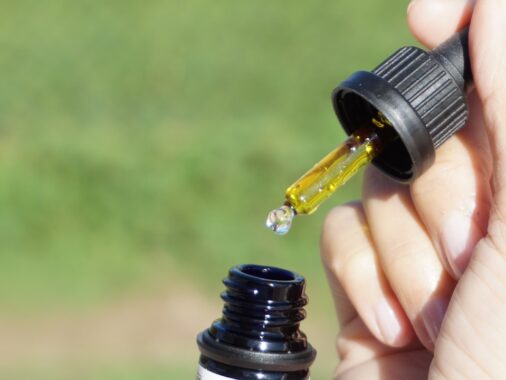

Have you ever wondered why so many people are talking about CBD oil—and whether it actually does anything? If you’ve asked yourself how cbd oil works inside the body, you’re not alone. From stress relief to sleep support, CBD oil has become a popular wellness tool, but the real story lies in how it interacts with your biology.
In this article, we’ll break down the science in plain English, share a real-life example, and walk you through what researchers know so far. By the end, you’ll have a clear, practical understanding of what CBD oil does and what it doesn’t do.

How CBD Oil Works in the Human Body
To understand how CBD oil works, you need to look at a built-in system in your body that helps maintain balance. CBD doesn’t force change; instead, it supports processes that already exist.
CBD, short for cannabidiol, is a naturally occurring compound found in hemp plants. Unlike THC, it doesn’t make you feel “high.” Its influence is subtle, gradual, and tied to how your body regulates itself.
The Role of the Endocannabinoid System
The key to understanding CBD is the endocannabinoid system, often called the ECS. This system exists in every human body and plays a role in keeping things stable.
The ECS helps regulate:
- Mood and emotional response
- Sleep-wake cycles
- Pain perception
- Immune response
- Appetite and digestion
Think of the ECS as your body’s internal balancing network. When something is off—stress, discomfort, or poor sleep—the ECS works to bring things back to center.
CBD Oil Mechanism Explained Simply
The cbd oil mechanism is different from many supplements or medications. CBD doesn’t bind directly to ECS receptors in most cases. Instead, it supports how those receptors function.
Here’s what happens step by step:
- CBD enters the bloodstream, usually through oral or sublingual use.
- It interacts with ECS receptors and enzymes indirectly.
- CBD helps slow the breakdown of your body’s natural cannabinoids.
- This allows those natural compounds to work longer and more effectively.
In short, CBD helps your body use what it already has more efficiently.
A CBD Oil Scientific Explanation Without the Jargon
A clear cbd oil scientific explanation comes down to regulation rather than stimulation. CBD influences receptors related to serotonin, inflammation, and stress response.
Because it doesn’t override normal function, its effects tend to feel gentle. Many users describe a sense of calm or balance rather than a dramatic shift.
This is why CBD is often used as part of a daily routine instead of a quick fix.
What Does CBD Oil Actually Do?
The effects of CBD oil can vary from person to person. Body chemistry, dosage, and consistency all play a role.
Common CBD Oil Effects People Report
While experiences differ, commonly reported cbd oil effects include:
- A calmer response to everyday stress
- Improved sleep quality over time
- Less awareness of minor aches
- Better focus and emotional balance
These effects usually build gradually. CBD is not typically something you “feel” immediately.

A Real-Life Example: Sarah’s Story
Sarah, a 38-year-old office manager, started using CBD oil during a particularly stressful work season. She didn’t expect miracles. Her goal was simple: feel less tense by the end of the day.
After about two weeks of consistent use, she noticed something subtle but meaningful. Her evenings felt calmer, and she was falling asleep faster. Nothing dramatic—but enough that she chose to keep CBD oil as part of her routine.
This kind of experience is common: small changes that add up.
What Research Says About CBD Oil
Interest in CBD has led to a growing body of scientific study. While research is still evolving, existing cbd oil research offers helpful insights.
What Scientists Agree On
Most researchers agree on a few key points:
- CBD is generally well tolerated by healthy adults.
- It does not cause intoxication or dependency.
- Its primary role is supporting balance, not altering consciousness.
Ongoing studies continue to explore how CBD may support stress management, sleep, and inflammatory responses.
What Research Is Still Exploring
Science is still working to fully understand optimal dosing, long-term effects, and how CBD interacts with certain medications.
This is why experts recommend starting low, going slow, and speaking with a healthcare professional if you have underlying conditions.
How to Use CBD Oil Effectively
Understanding how cbd oil works is only useful if you know how to apply it correctly.
Step-by-Step Beginner Guidance
- Choose a reputable, third-party tested product.
- Start with a low dose listed on the label.
- Take it at the same time daily for consistency.
- Track how you feel for at least one week.
- Adjust slowly if needed.
Consistency matters more than quantity when it comes to CBD.
Tips for Best Results
- Use CBD oil with food for better absorption.
- Store it away from heat and sunlight.
- Be patient—results are often gradual.
Is CBD Oil Safe for Everyone?
CBD is considered safe for most adults, but it’s not one-size-fits-all.
If you are pregnant, nursing, or taking prescription medications, consult a healthcare provider before starting CBD oil.
Transparency and informed use are key to a positive experience.
Frequently Asked Questions About CBD Oil
How long does it take for CBD oil to work?
Most people notice subtle effects within 30 minutes to two hours, but consistent use over several days often provides clearer results.
Will CBD oil make me feel high?
No, CBD oil does not cause a high because it does not contain intoxicating levels of THC.
Is CBD oil legal in the United States?
Hemp-derived CBD oil with less than 0.3% THC is federally legal in the United States, though state laws may vary.
Can I take CBD oil every day?
Many people use CBD oil daily as part of their wellness routine, but it’s best to start with a low dose.
Does CBD oil interact with medications?
CBD oil may interact with certain medications, so it’s important to consult a healthcare professional if you take prescriptions.
Final Thoughts on How CBD Oil Works
Understanding how cbd oil works comes down to balance, patience, and informed use. CBD oil supports your body’s natural systems rather than overpowering them, which is why its effects tend to feel gentle but meaningful over time.
If you’re curious about whether CBD oil fits into your wellness routine, start slow, stay consistent, and listen to your body.
Ready to take the next step? Talk with a trusted healthcare professional and choose a high-quality CBD oil to explore its potential benefits with confidence.