
Have you ever stood in a wellness aisle, staring at bottles labeled “CBD” and wondering if any of it actually works? You’re not alone. Interest in cannabidiol has exploded in the last few years, and many people want clear, trustworthy answers. This cbd oil overview breaks down what CBD oil is, how it’s used, what benefits people report, and how to use it safely in the United States.
Whether you’re brand new or just looking for a plain-English explanation, this guide focuses on facts, real-world experience, and practical tips you can actually use.
CBD Oil Overview: What It Is and Why It Matters
CBD oil is a product made from cannabidiol, a naturally occurring compound found in the hemp plant. Unlike THC, CBD does not cause a “high.” Instead, it interacts with systems in the body that help regulate balance, also known as homeostasis.
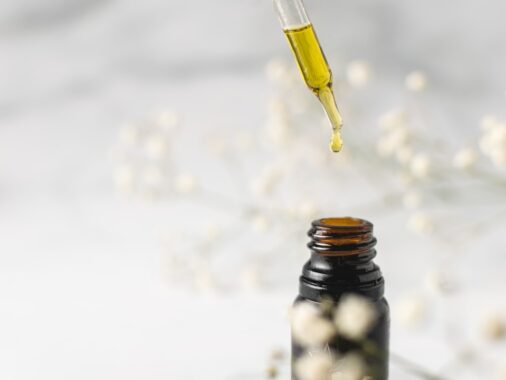
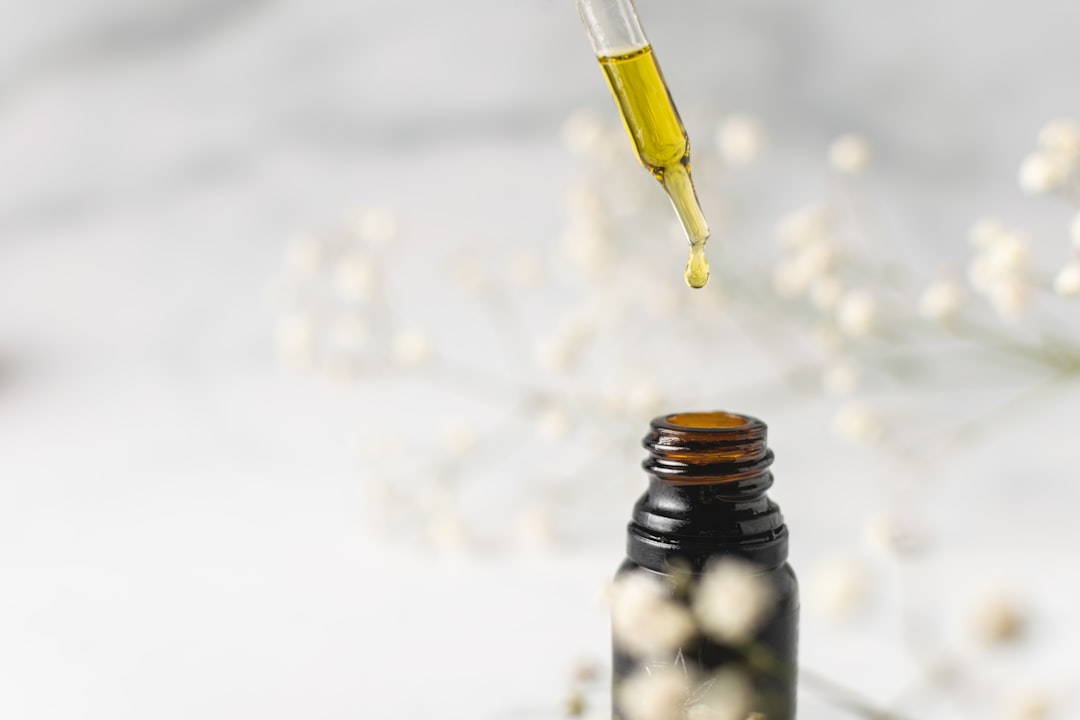
In simple terms, CBD oil is typically made by extracting CBD from hemp and blending it with a carrier oil like MCT coconut oil or hemp seed oil. The result is a liquid that can be taken in small, measured amounts.
This cbd oil overview matters because not all CBD products are the same. Understanding the basics helps you make smarter, safer decisions and avoid misleading claims.
CBD Oil Basics: How It Works in the Body
To understand CBD oil, it helps to know a bit about the endocannabinoid system (ECS). This system plays a role in regulating sleep, mood, pain perception, immune response, and stress.
CBD does not directly bind to ECS receptors the way THC does. Instead, it supports the system by influencing how receptors respond and how the body uses its own endocannabinoids.
Key Points About How CBD Works
- Supports balance in multiple body systems
- Non-intoxicating and non-euphoric
- Effects may feel subtle and build over time
This explanation covers the cbd oil basics without diving into heavy science, which can be overwhelming for beginners.
Potential Benefits: What People Use CBD Oil For
Research on CBD is ongoing, and the FDA has not approved CBD oil for most medical conditions. However, many people use it as part of their wellness routine based on early studies and personal experience.
Commonly Reported Uses
- Managing everyday stress and anxious feelings
- Supporting better sleep routines
- Helping with post-workout soreness
- Promoting general calm and focus
One relatable example: A middle-aged office worker dealing with nightly restlessness started using a low-dose CBD oil in the evening. After about two weeks, they reported falling asleep faster and waking up less often. While this is not a medical claim, it reflects the type of experience many users describe.
This kind of real-life story highlights why people seek clear cbd oil information before trying it themselves.
Types of CBD Oil: Full-Spectrum, Broad-Spectrum, and Isolate
Not all CBD oil products are created equal. Understanding the differences can help you choose what fits your needs and comfort level.
Full-Spectrum CBD Oil
Contains CBD along with other cannabinoids, terpenes, and trace amounts of THC (below 0.3% in the USA). Many believe these compounds work better together, known as the “entourage effect.”
Broad-Spectrum CBD Oil
Includes multiple cannabinoids and terpenes but has THC removed. This is a popular option for people who want added plant compounds without THC exposure.
CBD Isolate
Pure CBD with no other cannabinoids or plant compounds. It’s flavorless and THC-free but may feel less effective for some users.
This section serves as a quick cbd oil summary for shoppers comparing labels.
CBD Oil Guide USA: Legal and Safety Considerations
In the United States, CBD oil derived from hemp with less than 0.3% THC is federally legal. However, state laws can vary, especially when it comes to adding CBD to foods or selling certain product types.
Safety Basics to Keep in Mind
- CBD can interact with certain medications
- Side effects may include fatigue or digestive upset
- Quality and labeling accuracy vary by brand
If you take prescription medications, it’s wise to talk with a healthcare professional before using CBD oil. This is an important part of any responsible cbd oil guide usa.
How to Use CBD Oil: Step-by-Step Practical Guidance
Using CBD oil doesn’t have to be complicated. Starting low and going slow is the most widely recommended approach.
Step-by-Step Beginner Approach
- Check the label for CBD amount per serving
- Start with a low dose, such as 5–10 mg
- Take it at the same time each day
- Track how you feel for 7–14 days
- Adjust slowly if needed
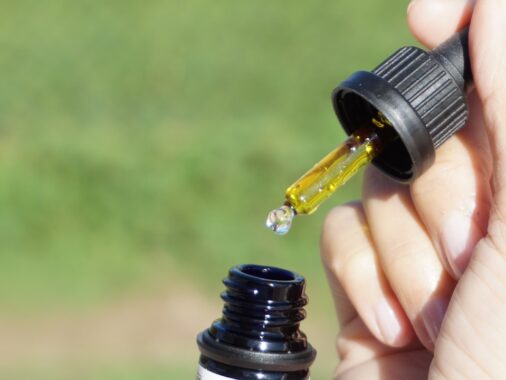
Most people place CBD oil under the tongue for 30–60 seconds before swallowing. This method may help with absorption.
This practical advice adds real expertise to the overall cbd oil overview without making medical promises.
How to Choose a High-Quality CBD Oil
With so many products on the market, quality matters more than price or flashy packaging.
What to Look For on the Label
- Third-party lab testing (Certificate of Analysis)
- Clear CBD content in milligrams
- Source of hemp (U.S.-grown is preferred)
- Simple ingredient list
Reputable brands make lab results easy to find and understand. This transparency builds trust and supports informed decisions.
Possible Side Effects and Who Should Avoid CBD Oil
CBD oil is generally well tolerated, but it’s not for everyone.
Possible Side Effects
- Drowsiness
- Dry mouth
- Digestive discomfort
Pregnant or breastfeeding individuals and people with liver conditions should avoid CBD unless advised by a healthcare provider. This type of balanced cbd oil information helps set realistic expectations.
Frequently Asked Questions About CBD Oil
Is CBD oil the same as marijuana?
No. CBD oil is usually made from hemp and contains little to no THC, so it does not cause a high.
Will CBD oil show up on a drug test?
Pure CBD should not, but full-spectrum products may contain trace THC that could appear on sensitive tests.
How long does it take for CBD oil to work?
Some people notice effects within an hour, while others need consistent use for one to two weeks.
Is CBD oil safe to use every day?
Many people use it daily, but long-term use should be discussed with a healthcare professional.
Can I drive after taking CBD oil?
CBD is non-intoxicating, but if it makes you feel drowsy, you should avoid driving.
Final Thoughts: A Practical CBD Oil Overview
This cbd oil overview has covered what CBD oil is, how it works, potential benefits, safety tips, and how to choose a quality product. The goal is not to hype CBD as a cure-all, but to offer clear, balanced guidance you can trust.
If you’re considering CBD oil, start with education, choose reputable brands, and listen to your body. Ready to take the next step? Talk with a healthcare professional or explore lab-tested products from trusted U.S. companies to see if CBD oil fits your wellness routine.