
“`html
Understanding the cbd oil meaning has become increasingly important as more people encounter this product in wellness stores, online shops, and everyday conversations. CBD oil is often discussed as a natural option for supporting balance and overall well-being, yet many people are unsure what it actually is, how it works, and why it has gained so much attention. This article breaks everything down in clear, straightforward language so you can develop a confident, informed perspective.

Understanding the Term
A common question beginners ask is, what does cbd oil mean in practical terms? At its core, CBD oil refers to an extract derived from the hemp plant that contains cannabidiol, commonly known as CBD. Cannabidiol is one of many naturally occurring compounds found in cannabis plants, but it does not create a “high.” Instead, it is valued for its non-intoxicating nature and its interaction with systems in the human body that help maintain balance.
The word “oil” simply reflects the carrier substance used to deliver CBD. Because cannabidiol is fat-soluble, it is typically blended with oils such as coconut oil (MCT), hemp seed oil, or olive oil. This makes it easier to measure, ingest, and absorb. When people refer to CBD oil, they are generally talking about this combination of plant extract and carrier oil.
cbd oil definition
From a technical standpoint, CBD oil can be defined as a liquid product made by extracting cannabidiol from hemp and diluting it in a carrier oil for use. This definition highlights three essential elements: the source plant (hemp), the active compound (CBD), and the method of delivery (oil-based solution). Understanding these elements helps separate factual information from marketing claims.
Hemp used for CBD oil is legally defined in many regions as cannabis containing very low levels of THC, the compound responsible for intoxication. This distinction is important because it explains why CBD oil products are widely available while other cannabis-derived products may be restricted.
cbd oil explained
To fully grasp how CBD oil works, it helps to understand how it interacts with the body. Humans and many animals have an internal network called the endocannabinoid system (ECS). This system plays a role in regulating functions such as mood, sleep, appetite, and stress response. CBD does not directly stimulate this system in the same way THC does; instead, it supports the system’s natural balance by influencing how receptors and enzymes behave.
When CBD oil is consumed, the cannabidiol enters the bloodstream and begins interacting with these regulatory pathways. The effects are often described as subtle and gradual rather than immediate or dramatic. This is one reason CBD oil is commonly associated with daily wellness routines rather than short-term, intense effects.
cbd oil basics
For beginners, it is helpful to understand a few foundational points. First, CBD oil is available in different strengths, often measured in milligrams of CBD per bottle or per serving. Higher strength does not necessarily mean better; the right amount depends on individual factors such as body weight, lifestyle, and personal goals.
Second, CBD oil can be categorized into three main types: full-spectrum, broad-spectrum, and isolate. Full-spectrum products contain a range of hemp compounds, including trace amounts of THC. Broad-spectrum products contain multiple hemp compounds but typically remove THC. Isolate products contain only pure CBD. Each type offers a different experience, and personal preference plays a significant role in choosing one.
Finally, consistency matters. Many people use CBD oil daily and monitor how they feel over time. Keeping notes on dosage, timing, and effects can help users make informed adjustments.
How CBD Oil Is Made
The production process of CBD oil plays a major role in its quality. It begins with cultivating hemp plants under controlled conditions. Once harvested, the plants undergo extraction, a process that separates cannabidiol and other beneficial compounds from the plant material. Common extraction methods include CO₂ extraction and ethanol extraction, with CO₂ often considered the cleanest and most precise.
After extraction, the concentrated CBD is tested for purity and potency. It is then blended with a carrier oil to create the final product. Reputable manufacturers provide third-party lab reports to verify cannabinoid content and confirm the absence of harmful substances such as heavy metals or pesticides.
Common Ways to Use CBD Oil
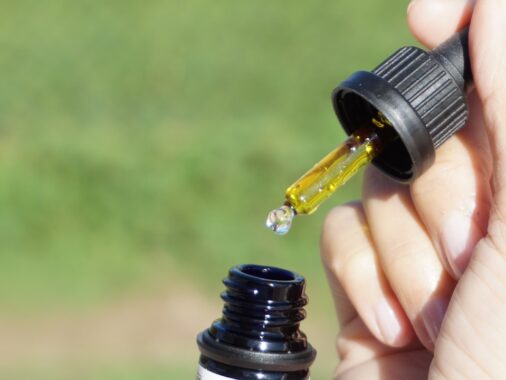
CBD oil is versatile and can be incorporated into daily routines in several ways. One popular method is sublingual use, where a few drops are placed under the tongue and held briefly before swallowing. This method allows for relatively fast absorption.
Other people mix CBD oil into food or beverages, such as smoothies or tea. While this method may take longer to produce noticeable effects, it can be more convenient for those who dislike the natural taste of hemp. Some individuals also use CBD oil topically by applying it directly to the skin, although this is more common with specially formulated topical products.
Safety, Quality, and Responsible Use
CBD oil is generally well tolerated, but responsible use is essential. Reading product labels carefully, starting with low amounts, and consulting a healthcare professional when necessary are all wise practices. Quality varies widely among brands, so choosing products with transparent sourcing and testing is crucial.
It is also important to be aware of potential interactions with medications. While CBD is considered safe for many people, it can affect how the body processes certain drugs. Professional guidance helps ensure safe and informed use.
cbd oil guide usa
In the United States, CBD oil derived from hemp is federally legal as long as it contains no more than 0.3% THC by dry weight. However, regulations can vary at the state level, and enforcement may differ depending on location. Consumers should familiarize themselves with local laws before purchasing or traveling with CBD oil.
The U.S. market is large and diverse, making it especially important to research brands and products. Look for companies that follow good manufacturing practices, provide clear labeling, and offer accessible customer support.
Frequently Asked Questions
Is CBD oil the same as cannabis oil?
No. CBD oil is typically made from hemp and contains high levels of cannabidiol with minimal THC. Cannabis oil often refers to products made from marijuana plants and may contain significant amounts of THC.
Will CBD oil make me feel high?
CBD oil does not produce a high. It is non-intoxicating and does not create the euphoric effects associated with THC.
How long does it take to notice effects?
The timeframe varies depending on the method of use, dosage, and individual factors. Some people notice subtle effects within an hour, while others may require consistent use over several days or weeks.
Conclusion and Next Steps
By now, the cbd oil meaning should feel much clearer. CBD oil is a hemp-derived product designed to deliver cannabidiol in an accessible, oil-based form. It is valued for its non-intoxicating nature, versatility, and potential role in supporting balance within the body. With so many products available, education is the key to making confident choices.
If you are considering adding CBD oil to your routine, take time to research reputable brands, review lab reports, and start with a thoughtful approach. Understanding the cbd oil meaning empowers you to make decisions that align with your wellness goals. Explore responsibly, stay informed, and choose quality products that fit your lifestyle.
“`