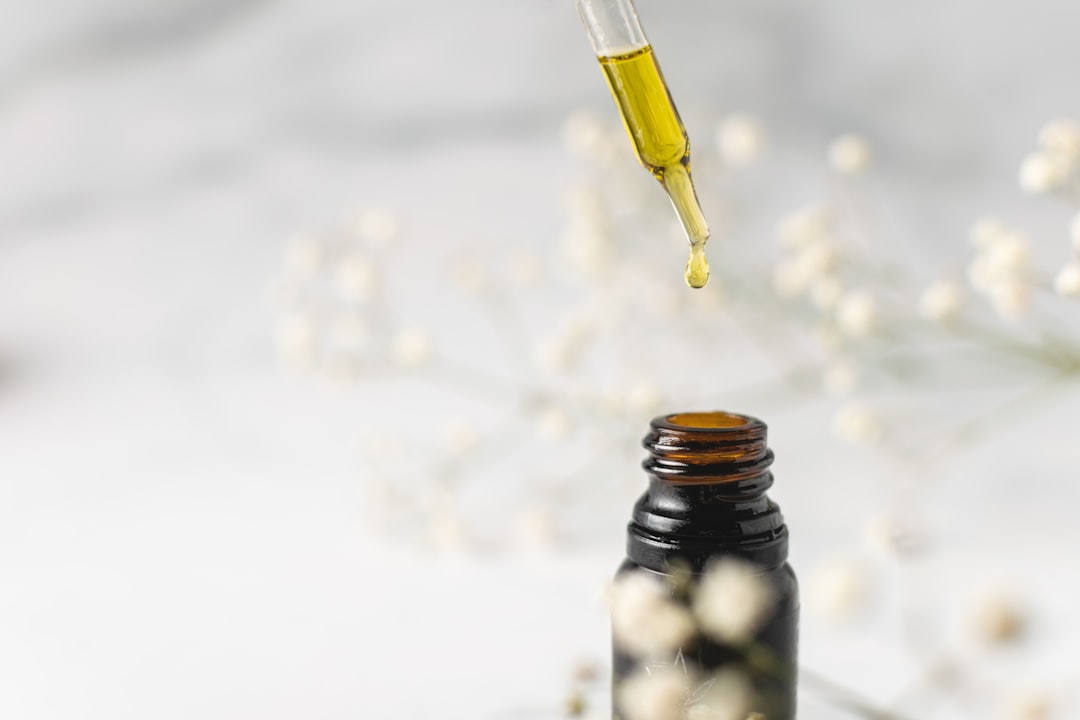

Have you ever stood in a store aisle staring at bottles of CBD oil, wondering what’s real and what’s just marketing hype? You’re not alone. Interest in CBD has exploded, but confusion is right behind it. This guide breaks down the most important cbd oil facts so you can understand what science and research actually say—without the jargon or exaggeration.
We’ll look at what CBD oil is, what studies suggest, where the evidence is strong or limited, and how to use it wisely. The goal is simple: help you make informed, confident decisions.
CBD Oil Facts: A Science-Based Overview
CBD, short for cannabidiol, is a natural compound found in the hemp plant. Unlike THC, it does not produce a “high.” Most CBD oil products are extracted from hemp and mixed with a carrier oil like MCT or hemp seed oil.
One of the most important cbd oil facts is that CBD interacts with the body’s endocannabinoid system (ECS). This system plays a role in regulating mood, sleep, pain perception, immune response, and stress.
CBD doesn’t replace or overpower the ECS. Instead, research suggests it may help support balance, also known as homeostasis.
How CBD Oil Is Made
Understanding production helps explain quality differences between products.
- Hemp plants are grown under regulated conditions.
- CBD is extracted using methods like CO2 extraction.
- The extract is filtered and tested for purity.
- It’s blended with a carrier oil for absorption.
Third-party lab testing is a key quality marker. Reputable brands publish Certificates of Analysis (COAs) showing cannabinoid content and contaminant testing.
What CBD Oil Research Really Shows
When people talk about breakthroughs, they often oversimplify the science. Current cbd oil research includes lab studies, animal models, and a growing number of human trials.
The strongest evidence exists for specific, regulated uses. For example, the FDA has approved a prescription CBD medication for rare forms of epilepsy. This approval is based on large, controlled clinical trials.
Areas with Growing Scientific Interest
Research is ongoing in several areas, with mixed but promising results.
- Stress and anxiety regulation
- Sleep quality support
- Inflammation and discomfort management
- Neurological health
It’s important to note that many studies use higher doses than typical over-the-counter products. This doesn’t mean retail CBD is ineffective, but it does mean expectations should be realistic.
Overall, the cbd oil evidence supports potential benefits, while also highlighting the need for more large-scale human studies.

CBD Oil Benefits Facts vs Common Claims
Online headlines often promise miracle cures. Science paints a more measured picture. Understanding real cbd oil benefits facts can protect you from disappointment.
Benefits Supported by Evidence
Based on current research and user reports, CBD may help:
- Promote a sense of calm during stressful situations
- Support more restful sleep for some individuals
- Ease everyday muscle or joint discomfort
- Support overall wellness routines
These effects vary widely from person to person. Body chemistry, dosage, and product quality all matter.
Benefits That Are Often Overstated
Some claims lack strong scientific backing:
- Curing chronic diseases
- Replacing prescription medications
- Working instantly for everyone
This is where understanding cbd oil myths vs facts becomes essential. CBD is a wellness tool, not a guaranteed fix.
CBD Oil Myths vs Facts: Clearing the Confusion
Let’s address some of the most common misunderstandings.
Myth: CBD Oil Gets You High
Fact: CBD is non-intoxicating. Hemp-derived CBD contains less than 0.3% THC, which is not enough to cause a high.
Myth: More CBD Is Always Better
Fact: Higher doses aren’t always more effective. Many people respond well to low or moderate amounts.
Myth: All CBD Oil Is the Same
Fact: Quality varies widely. Source, extraction method, and lab testing make a real difference.
Myth: CBD Works the Same for Everyone
Fact: Individual responses vary due to metabolism, body weight, and health status.
A Real-Life Example: What Using CBD Can Feel Like
To put these cbd oil facts into context, consider this relatable example.
Sarah, a 42-year-old office manager, started using CBD oil during a particularly stressful work period. She didn’t expect a miracle. She began with a low dose in the evening, tracked how she felt, and adjusted slowly.
After about two weeks, she noticed she felt less tense at night and slept more consistently. She didn’t feel sedated or “different,” just more balanced. While CBD didn’t eliminate stress, it became part of her broader self-care routine, along with exercise and better sleep habits.
This kind of experience aligns with what research and anecdotal reports suggest: subtle, supportive effects rather than dramatic changes.
How to Use CBD Oil Safely and Effectively
Practical guidance matters just as much as science.
Step-by-Step Beginner Guide
- Check the label: Confirm CBD amount per serving.
- Review lab tests: Look for third-party COAs.
- Start low: Begin with a small dose.
- Go slow: Increase gradually over several days.
- Track results: Note changes in mood, sleep, or comfort.
Consistency often matters more than timing. Some people prefer morning use for calm focus, while others use CBD in the evening for relaxation.
Possible Side Effects and Interactions
CBD is generally well tolerated, but side effects can occur:
- Dry mouth
- Fatigue at higher doses
- Digestive discomfort
CBD can also interact with certain medications. If you take prescriptions, consult a healthcare professional before starting.
What the Evidence Doesn’t Say (Yet)
Responsible discussions include limitations. While cbd oil evidence is growing, there are still gaps.
- Long-term effects need more study
- Optimal dosing isn’t standardized
- Product labeling accuracy varies
This doesn’t mean CBD is unsafe or ineffective. It means consumers should stay informed and cautious.
Final Thoughts on CBD Oil Facts
So, what’s the bottom line? The most reliable cbd oil facts show that CBD is a non-intoxicating hemp compound with promising, but not magical, benefits. Science supports its role in specific medical uses and suggests potential for everyday wellness support.
When you separate cbd oil myths vs facts and rely on credible research, CBD becomes easier to understand. Quality products, realistic expectations, and mindful use make all the difference.
Call to Action: If you’re considering CBD oil, start by reviewing lab-tested products and speak with a healthcare professional. Informed choices are always the best wellness investment.
Frequently Asked Questions
Is CBD oil legal in the United States?
Yes, hemp-derived CBD oil with less than 0.3% THC is federally legal in the U.S., though state laws may vary.
How long does it take for CBD oil to work?
Effects may be noticed within 30 to 90 minutes when taken sublingually, but consistent use over days or weeks often provides clearer results.
Can CBD oil show up on a drug test?
Pure CBD should not, but trace THC in full-spectrum products could potentially trigger a positive result.
Is CBD oil safe to take daily?
For most adults, daily use is considered safe at moderate doses, based on current research and clinical data.
What’s the difference between full-spectrum and isolate CBD?
Full-spectrum contains multiple hemp compounds, including trace THC, while isolate contains only pure CBD.