
Interest in cannabidiol has surged over the past decade, driven by shifting laws, growing scientific curiosity, and widespread consumer stories. This article offers a clear, evidence-based look at cbd oil explained in practical terms—what it is, how it works in the body, and why so many people are exploring it today. Whether you are researching for personal knowledge or considering a product for the first time, this guide aims to provide clarity without hype.
Rather than making exaggerated claims, this long-form guide focuses on fundamentals, current research, safety considerations, and real-world context. By the end, you should have a solid cbd oil overview that helps you make informed, responsible decisions.
What Is CBD Oil?
CBD oil is a product derived from the cannabis plant, specifically from varieties of hemp that are naturally low in tetrahydrocannabinol (THC). CBD, short for cannabidiol, is one of more than a hundred identified cannabinoids found in cannabis. Unlike THC, CBD does not produce intoxicating or euphoric effects.
At its core, CBD oil consists of a CBD-rich extract combined with a carrier oil such as medium-chain triglyceride (MCT) oil, hemp seed oil, or olive oil. The carrier oil improves absorption and allows for easier dosing. Understanding these cbd oil basics helps separate the compound itself from the many product formats available on the market.
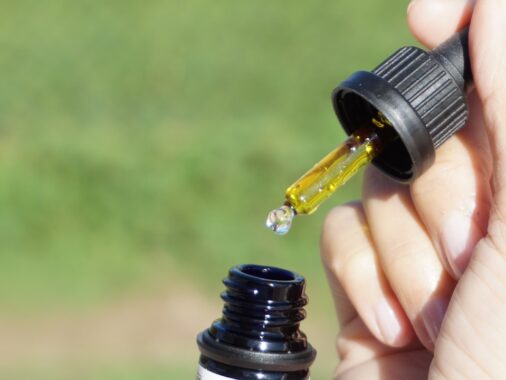
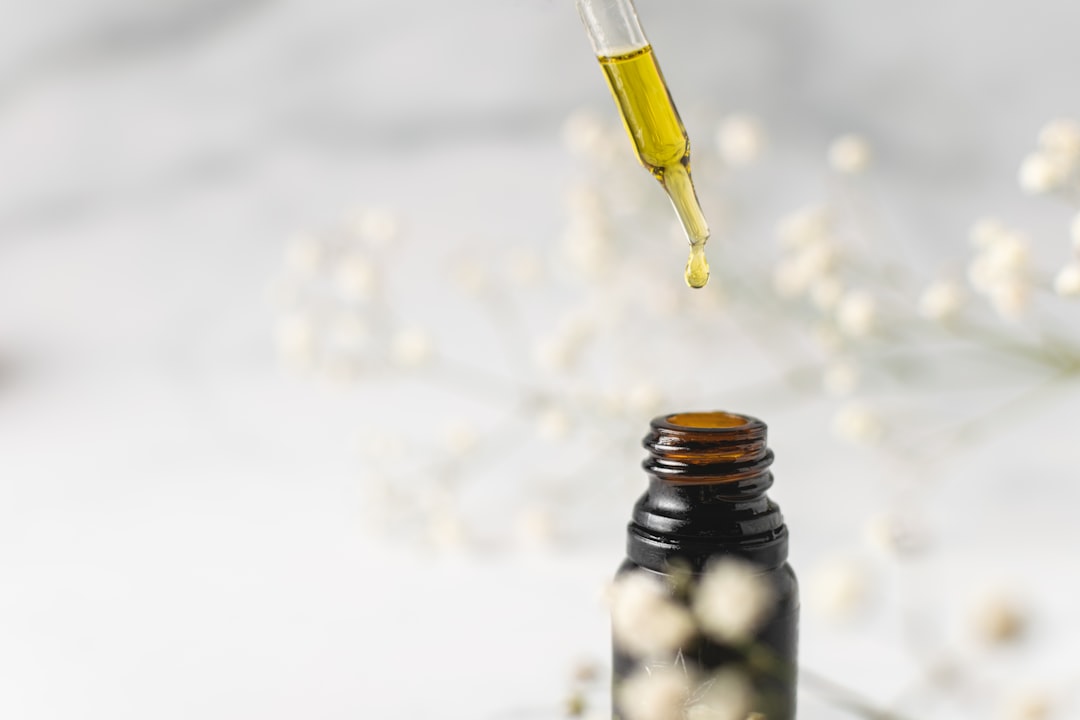
CBD oil is commonly taken sublingually (under the tongue), but it can also be incorporated into capsules, edibles, and topical formulations. The oil format remains popular due to its flexibility and relatively fast onset compared to some other methods.

How CBD Oil Is Made
The production process of CBD oil plays a significant role in its quality, safety, and effectiveness. It begins with cultivating hemp plants under controlled conditions. Hemp used for CBD extraction is bred to contain high levels of cannabidiol and minimal THC, typically below legally defined thresholds.
After harvesting, cannabinoids are extracted from the plant material using various methods. Carbon dioxide (CO₂) extraction is widely regarded as the industry standard because it avoids harsh solvents and allows precise control over temperature and pressure. Ethanol extraction is another common method, though it requires careful purification to remove residual solvents.
Once extracted, the concentrated CBD is refined and tested before being blended with a carrier oil. Reputable manufacturers perform third-party laboratory testing to verify cannabinoid content and screen for contaminants such as pesticides, heavy metals, and microbial growth. These quality controls are essential in an industry that is still evolving.
How CBD Oil Works in the Body
To understand how CBD oil functions, it is important to look at the endocannabinoid system (ECS). The ECS is a complex cell-signaling network present in the human body that helps regulate processes such as mood, sleep, immune response, and pain perception. It consists of endocannabinoids, receptors, and enzymes.
CBD does not bind directly to cannabinoid receptors in the same way THC does. Instead, it influences the system indirectly by affecting receptor activity and enzyme function. This subtle interaction is a key focus of ongoing research and a central theme in discussions of cbd oil science.
By modulating various pathways, CBD may support balance, or homeostasis, within the body. However, responses can vary widely between individuals due to factors such as genetics, body chemistry, dosage, and product quality.

Why People Use CBD Oil
People turn to CBD oil for many different reasons, often as part of a broader wellness routine. Some are seeking support for everyday stress, while others are interested in how it may complement existing lifestyle or self-care practices.
This diversity of use has led to frequent discussions about cbd oil benefits, though it is important to distinguish between anecdotal experiences and scientifically validated outcomes. While some applications are supported by emerging evidence, others remain under investigation.
In many cases, individuals report using CBD oil as a non-intoxicating option that fits into their daily lives without impairing focus or productivity. Its versatility and perceived gentleness contribute to its widespread appeal.
CBD Oil for First-Time Users
For those exploring cbd oil for beginners, education and moderation are key. Starting with a low dose and gradually adjusting allows individuals to observe how their body responds. There is no universal dosage, and what works for one person may not work for another.
Reading product labels carefully is essential. Look for clear information about CBD concentration, serving size, and third-party lab testing. Products should also disclose whether they are full-spectrum, broad-spectrum, or isolate formulations, as these differ in cannabinoid content.
Consulting a healthcare professional is strongly recommended, particularly for individuals who are pregnant, nursing, or taking prescription medications. Professional guidance helps minimize risks and sets realistic expectations.
Safety, Side Effects, and Interactions
CBD is generally well tolerated, but it is not entirely free of side effects. Some users report fatigue, changes in appetite, or digestive discomfort, particularly at higher doses. These effects are typically mild and temporary.
One of the most important safety considerations involves drug interactions. CBD can affect how certain medications are metabolized by the liver, potentially altering their effectiveness. This is why medical consultation is critical for anyone managing chronic conditions.
Quality and transparency also influence safety. Poorly manufactured products may contain inaccurate CBD levels or unwanted contaminants. Choosing reputable brands reduces these risks significantly.
Legal Status and Regulation
The legal landscape for CBD oil varies by country and region. In many places, hemp-derived CBD is legal provided it contains THC below a specified limit. However, regulations can change, and enforcement may differ at local levels.
Consumers should familiarize themselves with current laws in their jurisdiction before purchasing or traveling with CBD products. Understanding regulatory frameworks helps avoid unintended legal complications.
What Research Says So Far
Scientific interest in CBD has grown rapidly, with studies exploring its potential across a range of applications. While some pharmaceutical-grade CBD products have been approved for specific medical uses, much of the consumer market remains categorized as supplements.
Researchers continue to investigate optimal dosing, long-term effects, and specific mechanisms of action. This evolving body of evidence underscores the importance of cautious optimism rather than definitive conclusions.
Frequently Asked Questions
Will CBD oil make you feel high?
No. CBD is non-intoxicating and does not produce the euphoric effects associated with THC. Products derived from hemp are formulated to contain minimal THC.
How long does it take for CBD oil to work?
Onset time varies depending on the method of use, dosage, and individual metabolism. Sublingual oils are often felt within 30 to 60 minutes, while other forms may take longer.
Can you take CBD oil every day?
Many people use CBD oil daily, but consistency and moderation are important. Long-term use should be discussed with a healthcare provider to ensure safety and appropriateness.
Conclusion: Making an Informed Choice
With growing interest and expanding research, understanding cbd oil explained in a balanced, factual way is more important than ever. CBD oil is not a cure-all, but it represents a compelling area of wellness exploration for many individuals.
By focusing on quality, safety, and realistic expectations, consumers can navigate this space with confidence. If you are considering CBD oil, take the time to research products, consult professionals, and listen to your body.
Ready to learn more or explore high-quality options? Continue your research, ask informed questions, and choose products that prioritize transparency and testing. An educated approach is the best path forward.