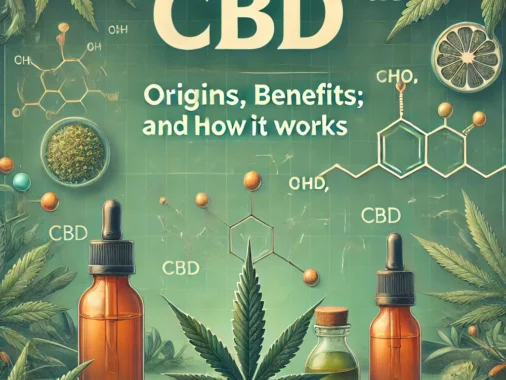
Confused by labels, buzzwords, and bold claims? You’re not alone. If you’ve wondered about the true
CBD oil definition—and how to know what’s real—this guide breaks it down in plain English. Within minutes,
you’ll understand what CBD oil is, how to verify quality, and how to avoid common mistakes.
Quick Answer: The CBD Oil Definition
CBD oil is a finished product that contains cannabidiol (CBD), a naturally occurring compound derived from the cannabis plant (typically hemp), dissolved in a carrier oil (such as MCT or hemp seed oil). “Real” CBD oil clearly states the CBD amount per serving, discloses ingredients, and links to an independent Certificate of Analysis (COA) verifying potency and purity.
What is CBD oil, exactly?
In everyday terms, what is CBD oil? It’s a cannabinoid-rich extract standardized for CBD and blended with a food-grade oil for accurate dosing. It should never be just flavored oil or generic hemp seed oil without measurable CBD content.
CBD Terminology You’ll Actually Use
Labels can feel like a new language. Here’s clear cbd terminology that helps you shop smarter.
- CBD (Cannabidiol): A non-intoxicating compound from hemp or cannabis.
- Full-Spectrum: Contains CBD plus other cannabinoids and terpenes, including ≤0.3% THC by dry weight (US federal limit for hemp).
- Broad-Spectrum: Similar to full-spectrum but typically without detectable THC.
- Isolate: Pure CBD with no other cannabinoids.
- COA (Certificate of Analysis): A third-party lab report verifying what’s in the bottle—and what’s not.
CBD vs. Hemp Extract Oil vs. Hemp Seed Oil
People often confuse CBD oil with hemp extract oil and hemp seed oil. Here’s the difference that matters at checkout.
- CBD Oil / Hemp Extract Oil: Usually means the product contains cannabinoids, including CBD. Look for a CBD amount on the label and a COA.
- Hemp Seed Oil: Pressed from hemp seeds; great for nutrition and skincare, but naturally contains negligible CBD unless fortified.
If a label says hemp extract oil but doesn’t show mg of CBD per serving and a COA, proceed with caution.
What Qualifies as “Real” CBD Oil?
Use this checklist to separate genuine products from marketing fluff.
- CBD clearly listed: The label states total CBD (e.g., 1,000 mg) and CBD per serving (e.g., 33 mg/1 mL).
- Transparent ingredients: Carrier oil, flavor, and extract type (full-spectrum, broad-spectrum, isolate).
- Third-party COA: A recent, batch-specific lab report verifies cannabinoids, residual solvents, heavy metals, pesticides, and microbiology.
- Traceability: Batch/lot number on bottle matches the COA.
- Reasonable claims: No disease-cure promises. Responsible brands avoid medical claims.
- Legal compliance: THC ≤0.3% (US hemp standard) with age and usage disclaimers.
Step-by-Step: How to Verify a Bottle Before You Buy
- Find the brand’s lab page or QR code on the label and open the COA.
- Match the batch number on the bottle to the COA.
- Confirm CBD potency within ±10% of the label claim.
- Check THC is within legal limits (usually ≤0.3% by dry weight for hemp products).
- Review contaminant panels: “Pass” for heavy metals, pesticides, residual solvents, microbes, and mycotoxins.
- Scan the date: Prefer COAs tested within the past 12 months.
Real-Life Story: How One Shopper Avoided a Bad Buy
Maria, a marathoner, grabbed a discount “hemp oil” online. The label looked sleek, but there was no CBD amount or COA. After reading a guide like this, she checked another brand with a scannable QR code and a batch-specific COA showing 30 mg CBD per serving, non-detectable THC, and “Pass” on contaminants. The first bottle turned out to be just culinary oil. The second was legitimate—and she now keeps the COA bookmarked.
Types of CBD Oil and When Each Makes Sense
- Full-Spectrum: For those seeking the “entourage effect” from multiple cannabinoids and terpenes (includes ≤0.3% THC in the US).
- Broad-Spectrum: Good if you want a range of compounds without detectable THC (common for THC-sensitive users).
- Isolate: Best for precise dosing or flavor neutrality; contains only CBD.
If you’ve ever searched “what is CBD oil” and still felt unsure, start by deciding your THC preference, then verify the extract type and serving strength with the COA.
Label Reading: Small Details That Matter
- Serving size: Often 1 mL (full dropper). Calibrate if your dropper has markings.
- Strength naming: “Extra strength” is marketing; rely on mg CBD per serving.
- Carrier oil: MCT tends to be neutral; hemp seed oil adds a nutty taste; both are fine as carriers.
- Flavoring: Natural flavors should be clearly listed.
Safety, Legality, and Sensible Use
US federal law permits hemp-derived products with ≤0.3% THC by dry weight. State laws differ, so check local rules before buying or traveling.
- Interactions: CBD can interact with medications (e.g., blood thinners). Talk with a healthcare professional if you take prescriptions or have a medical condition.
- Start low, go slow: Begin with a small serving (e.g., 10–20 mg CBD), monitor how you feel for a few days, then adjust.
- Consistency: If using daily, take at a similar time and keep notes on effects.
Clear cbd terminology and a reliable COA will help you and your clinician make informed decisions.
Common Myths That Cause Confusion
- Myth: All hemp oils contain CBD. Reality: Hemp seed oil contains little to no CBD unless fortified.
- Myth: More expensive always equals better. Reality: Price doesn’t guarantee quality—lab reports do.
- Myth: “Natural” means safe for everyone. Reality: Natural products can still interact with medications.
FAQ
Is CBD oil the same as hemp seed oil?
No. CBD oil contains measurable CBD verified by a COA. Hemp seed oil is nutritious but naturally contains negligible CBD. If the bottle doesn’t list mg of CBD and link to a COA, it’s likely not CBD oil.
How much CBD should be in a “real” CBD oil?
There’s no single standard, but legitimate products clearly state total CBD (e.g., 1,000 mg per 30 mL) and CBD per serving (e.g., 33 mg). The COA should show potency within about ±10% of the label claim.
Is CBD oil legal in the United States?
Hemp-derived products with ≤0.3% THC are federally legal, but state laws vary. Check your state’s current regulations and any travel restrictions before purchasing or carrying products.
How do I read a CBD COA?
Match the batch number to your bottle. Confirm CBD potency, ensure THC is within legal limits, and look for “Pass” on contaminant tests (heavy metals, pesticides, residual solvents, microbes, mycotoxins). Prefer COAs dated within the last year.
Full-spectrum vs. broad-spectrum vs. isolate—what’s right for me?
Choose full-spectrum for a whole-plant profile (contains ≤0.3% THC), broad-spectrum for a THC-free option with other compounds, or isolate for pure CBD. Check the COA to confirm the type is as advertised.
References
- FDA: What You Need to Know About Products Containing Cannabis or Cannabis-derived Compounds
- 2018 U.S. Farm Bill (H.R.2) — Hemp legalization provisions
- Review: Cannabidiol (CBD) — A Literature Overview (PubMed)
- U.S. Hemp Authority — Certification and Best Practices
- ASTM International D37 Committee — Cannabis Standards
Conclusion: CBD Oil Definition, In One Line
A trustworthy CBD oil definition is simple: a cannabinoid-standardized hemp extract with clearly labeled CBD content, blended in a safe carrier oil, and backed by a recent, batch-specific COA.