What Does CBD Mean? A Plain-English cannabidiol definition
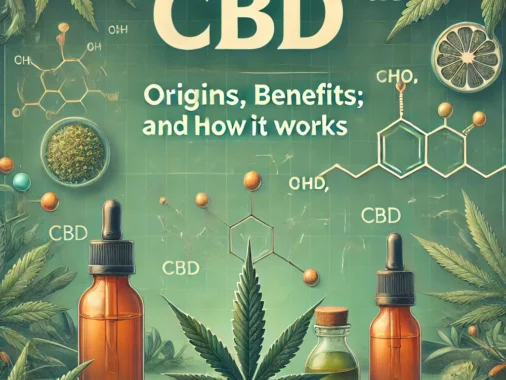
CBD stands for cannabidiol, a naturally occurring compound found in cannabis plants. Unlike THC—the compound known for producing a “high”—CBD is non-intoxicating. In short, CBD is one of over 100 cannabinoids that interact with your body’s endocannabinoid system (ECS), which helps regulate processes like mood, sleep, and inflammation.
If you’ve been looking for a clear cbd explanation, here it is: CBD is a plant-derived molecule used in oils, capsules, edibles, and topicals, often for wellness purposes. Only one CBD product—Epidiolex—has FDA approval, and it’s a prescription medicine for rare seizure disorders.
CBD Meaning vs. Hemp and Marijuana: Clearing Up the hemp term
Hemp and marijuana are both cannabis. The legal difference in the U.S. hinges on THC:
- Hemp: Cannabis with ≤0.3% THC by dry weight (federally legal under the 2018 Farm Bill).
- Marijuana: Cannabis with >0.3% THC (regulated by state laws; federally illegal).
CBD can be extracted from either plant type. Most over-the-counter CBD products use hemp to meet the legal THC threshold. When brands use the hemp term on labels, they often refer to “hemp extract,” which may or may not specify how much CBD it contains. Always look for “CBD per serving” on the label and in lab reports.
How CBD Works in the Body
Your body’s endocannabinoid system (ECS) helps maintain balance (homeostasis). It includes receptors (CB1 and CB2), signaling molecules, and enzymes. CBD doesn’t bind strongly to these receptors; instead, it influences them and other pathways (like serotonin and TRPV1) that may affect stress response, discomfort perception, and sleep patterns.
Important context: Evidence is still evolving. Large, high-quality human studies are limited for most uses. It’s wise to treat CBD like any supplement—use cautiously, monitor effects, and consult your healthcare provider.
Is CBD Legal?
Federally in the U.S., hemp-derived CBD with ≤0.3% THC is legal to produce and sell, but the FDA restricts how companies can market it (no disease-treatment claims). State laws vary on allowed forms, age limits, and retail rules. Before buying, check your state’s current policy and verify product testing.
Types of CBD and What Labels Mean
- Full-spectrum: CBD plus other cannabinoids and terpenes, including ≤0.3% THC.
- Broad-spectrum: CBD plus other compounds, typically with non-detectable THC.
- Isolate: 99%+ pure CBD with no other cannabinoids.
Key label elements to confirm:
- CBD per serving: Measured in milligrams (mg). Don’t confuse with “hemp oil” or “hemp extract” mg—those may include non-CBD components.
- Batch + QR code: Should link to a third-party lab report (COA) showing cannabinoid levels and contaminant screening.
- THC content: Ensure it aligns with your needs and local laws, especially if you’re subject to drug testing.
Step-by-Step: How to Choose a Reputable CBD Product
- Define your goal: Relaxation? Sleep support? Post-workout recovery? This guides form and dosing.
- Pick a form: Tinctures (fast, adjustable), capsules (convenient), gummies (taste), topicals (targeted areas).
- Start low: Begin with 5–10 mg CBD once daily and reassess after 3–7 days.
- Verify COA: Confirm CBD mg/serving, THC level, and tests for pesticides, heavy metals, solvents, and microbes.
- Check transparency: Look for clear cannabidiol definition on the site, manufacturing location, and contact info.
- Avoid disease claims: Be wary of brands promising to treat or cure conditions—this is not FDA-compliant.
- Consult your clinician: Especially if you take medications or have liver, kidney, or heart concerns.
Real-Life Experience: A Practical Example
After marathon training, I tested a broad-spectrum CBD topical on my sore calves for two weeks. I chose a brand with a recent COA and clear dosing. I applied it after runs and compared it with my usual routine (stretching, hydration, sleep). The topical felt soothing and non-greasy; perceived relief improved slightly on heavier workout days. Importantly, I didn’t change anything else, so I could observe differences. While one person’s story isn’t proof, the process—starting low, verifying labs, tracking changes—helped me decide whether it belonged in my recovery toolkit.
Safety, Side Effects, and Interactions
Most people tolerate CBD well, but side effects can include dry mouth, drowsiness, gastrointestinal upset, and appetite changes. High doses may affect liver enzymes and can interact with medications (especially those with a grapefruit warning, blood thinners, anti-seizure meds, and certain antidepressants).
- Talk to your healthcare provider before use if you take prescriptions or have health conditions.
- Avoid during pregnancy or breastfeeding unless your clinician advises otherwise.
- Monitor your response: Keep a simple log of dose, time, and effects for 2–4 weeks.
Common Marketing Pitfalls to Avoid
- “Hemp oil” ≠ CBD: Hemp seed oil contains healthy fats but little to no CBD.
- Unclear serving sizes: A 1,000 mg bottle doesn’t tell you the mg per serving unless specified.
- Outdated lab reports: COAs should be recent (preferably within the last year) and batch-matched.
Fast Glossary: Your cbd explanation at a Glance
- CBD (Cannabidiol): Non-intoxicating cannabinoid found in cannabis.
- THC (Tetrahydrocannabinol): Psychoactive cannabinoid that can produce a high.
- Full/Broad/Isolate: Spectrum terms describing what’s in your extract.
- COA (Certificate of Analysis): Third-party lab report confirming contents and purity.
FAQs
What is the simple cbd meaning in everyday terms?
CBD is a plant compound from cannabis that doesn’t make you feel high. People use it in oils, gummies, and creams for general wellness, but only one CBD product is FDA-approved for specific seizure disorders.
Will CBD show up on a drug test?
It might. Full-spectrum products contain small amounts of THC, and even trace levels can accumulate. If testing is a concern, consider broad-spectrum or isolate and verify “non-detectable THC” on the COA—though no option is 100% risk-free.
How much CBD should I start with?
Many adults start with 5–10 mg daily, then increase gradually every 3–7 days while tracking effects. Talk to your clinician if you’re on medications or have health conditions.
Is CBD safe for pets?
Some veterinarians use CBD for dogs and cats, but regulations and dosing are still developing. Consult your vet and use pet-specific products with third-party testing.
What’s the difference between CBD oil and hemp seed oil?
CBD oil contains cannabidiol extracted from the plant’s flowers/leaves. Hemp seed oil is pressed from seeds and generally contains no meaningful CBD.
Can I travel with CBD in the U.S.?
TSA allows hemp-derived CBD (≤0.3% THC), but state laws can differ. Keep products in original packaging and carry COAs if possible.
Conclusion
CBD means cannabidiol—a non-intoxicating cannabis compound with a growing wellness market and evolving science. To use it wisely, learn the terms, verify lab tests, start low, and consult a professional if you take medications. With the right approach, you can decide whether CBD fits your goals.