

Have you ever wondered why some CBD oils feel cleaner, smoother, and more “natural” than others? When I first tried CBD years ago, I remember tasting an oil that felt grassy yet pure, without the harsh bite I expected. That experience led me to learn about cold pressed cbd oil and how its extraction process shapes quality from the very start.
In this article, we’ll break down the cold-pressing method in simple terms, explain how it compares to other cbd oil extraction methods, and explore what it means for cbd oil purity. If you want clear, trustworthy information before choosing your next bottle, you’re in the right place.
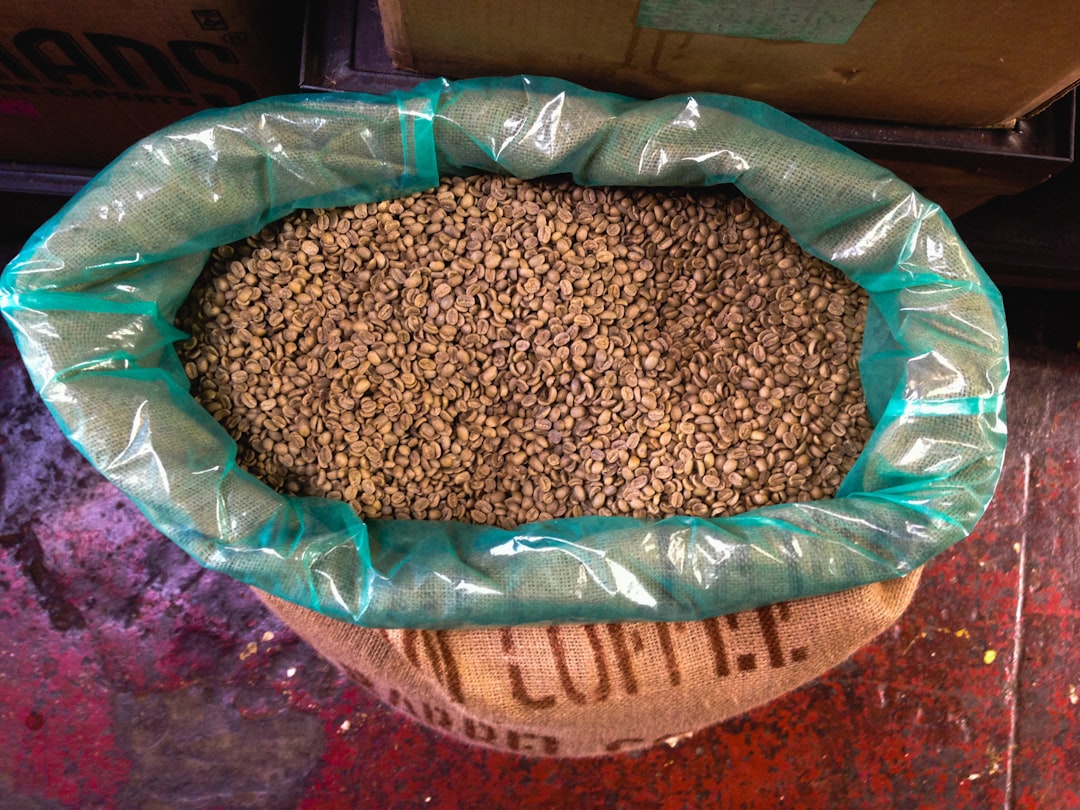
What Is Cold Pressed CBD Oil?
Cold pressed CBD oil is made by mechanically pressing hemp plant material at low temperatures. Unlike methods that rely on heat or chemical solvents, cold pressing uses pressure alone to extract oil from the plant.
The goal is simple: preserve the natural compounds found in hemp. By keeping temperatures low, this process helps protect cannabinoids, terpenes, and other beneficial plant elements that can degrade when exposed to heat.
Many people associate cold pressing with olive oil or juice extraction. The idea is the same here, just applied to hemp. The result is an oil that feels closer to the original plant profile.
How the Cold-Pressing Process Works Step by Step
Understanding the process makes it easier to judge quality. Here’s how cold pressing typically works in real-world production.
1. Harvesting and Preparing the Hemp
Producers start with mature, legally grown hemp plants. The plant material is cleaned and dried to the right moisture level. This step matters because excess moisture can reduce yield and affect flavor.
2. Mechanical Pressing at Low Temperatures
The hemp is fed into a press that applies steady pressure. Temperatures are carefully controlled, usually staying below levels that would damage sensitive compounds.
No solvents, no added chemicals, and no artificial processing aids are involved. This is a purely mechanical step.
3. Natural Filtration
After pressing, the oil may contain small plant particles. These are removed through simple filtration methods, such as fine screens or gravity settling.
The oil is not chemically refined, which helps maintain its natural character.
4. Bottling and Storage
Once filtered, the oil is bottled in light-resistant containers. Proper storage helps preserve freshness and potency over time.
Cold Pressed CBD Oil vs Other CBD Oil Extraction Methods
To understand where cold pressing fits, it helps to compare it with other common cbd oil extraction methods.
- CO₂ extraction: Uses pressurized carbon dioxide to pull cannabinoids from hemp. It’s efficient and widely used but requires expensive equipment.
- Solvent extraction: Uses alcohol or hydrocarbons. This method can be effective but requires careful purification to remove residues.
- Cold pressing: Relies only on pressure and low heat, focusing on simplicity and minimal processing.
Cold pressing usually yields less oil than advanced methods. However, many consumers value it for its straightforward approach and minimal intervention.
Why Cold Pressing Matters for CBD Oil Purity
One of the biggest reasons people seek out cold pressed oils is cbd oil purity. When fewer steps and additives are involved, there’s less risk of contamination or unwanted byproducts.
Cold pressing supports purity in a few key ways:
- No chemical solvents that need to be removed later
- Lower temperatures that protect delicate plant compounds
- Simpler processing that’s easier to trace and verify
That said, purity still depends on the quality of the hemp and good manufacturing practices. Cold pressing is a strong foundation, not a guarantee on its own.
The Role of Cold Pressed Hemp Oil in CBD Products
You may also see the term cold pressed hemp oil on labels. This usually refers to oil pressed from hemp seeds, which naturally contain little to no CBD.
In some formulations, cold pressed hemp oil is used as a carrier oil. CBD extract from flowers may then be blended into it. The carrier oil helps with absorption and adds nutritional value.
When evaluating a product, it’s important to check whether the CBD itself was cold pressed or if only the carrier oil was.
Flavor, Color, and Texture: What to Expect
Cold pressed oils tend to have a darker color and a more robust, earthy flavor. This is normal and often seen as a sign of minimal processing.
From my own experience, the first cold pressed oil I tried tasted closer to fresh greens than anything sweet. It took a few days to get used to, but I grew to appreciate how “alive” it felt compared to heavily refined oils.
Texture-wise, these oils may feel slightly thicker, especially in cooler temperatures.
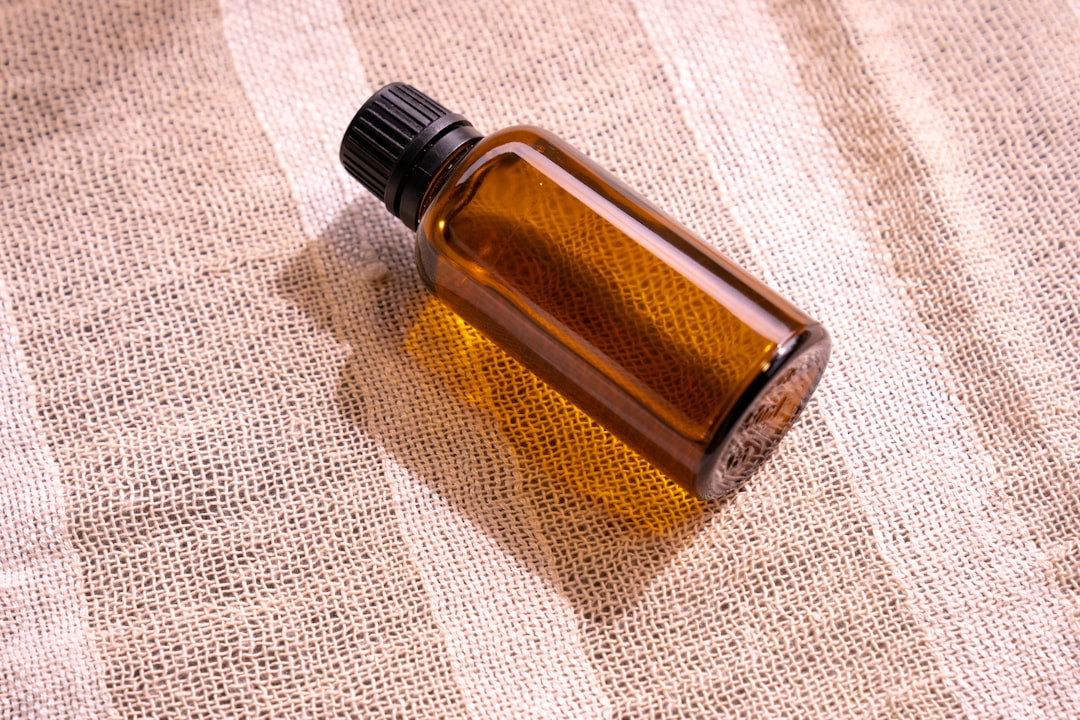
How to Choose High-Quality Cold Pressed CBD Oil
If you’re shopping for cold pressed options, use this checklist to guide your decision.
- Check the label: Look for clear wording about extraction methods.
- Review third-party lab reports: These confirm cannabinoid levels and screen for contaminants.
- Know the source: U.S.-grown hemp with transparent farming practices is a strong plus.
- Look at ingredients: Fewer ingredients usually mean less processing.
Taking these steps helps ensure you’re getting a product that matches the promise of cold pressing.
Who Might Prefer Cold Pressed CBD Oil?
Cold pressed oils aren’t for everyone, but they appeal to certain users.
- People who value minimal processing
- Those sensitive to solvents or additives
- Consumers who prefer a whole-plant experience
If you prioritize simplicity and transparency, cold pressed options are worth exploring.
Common Myths About Cold Pressed CBD Oil
There are a few misconceptions worth clearing up.
Myth: Cold pressed always means higher CBD content.
Reality: CBD levels depend on plant material and formulation, not just the method.
Myth: Cold pressed oils don’t need lab testing.
Reality: Third-party testing is essential for any CBD product.
Frequently Asked Questions
Is cold pressed CBD oil better than CO₂ extracted oil?
Cold pressed CBD oil is not necessarily better, but it is different. It focuses on minimal processing, while CO₂ extraction emphasizes efficiency and precision.
Does cold pressing preserve more natural compounds?
Yes, cold pressing helps protect heat-sensitive compounds because it uses lower temperatures during extraction.
Can cold pressed CBD oil contain THC?
It can contain trace amounts of THC if made from full-spectrum hemp, but levels must stay within legal limits.
Is cold pressed hemp oil the same as CBD oil?
No, cold pressed hemp oil usually comes from seeds and contains little to no CBD unless CBD extract is added.
How should cold pressed CBD oil be stored?
Store it in a cool, dark place with the lid tightly closed to maintain freshness and potency.
Final Thoughts on Cold Pressed CBD Oil
Choosing cold pressed cbd oil is about more than trends. It’s about understanding how extraction affects quality, flavor, and trust. Cold pressing offers a simple, transparent approach that appeals to people who value purity and minimal processing.
If you’re considering a new CBD product, take time to read labels, review lab reports, and decide what matters most to you. Ready to explore cleaner, less processed options? Start by comparing extraction methods and see if cold pressed oil fits your wellness goals.