
Have you ever stood in a wellness aisle or scrolled online, staring at bottles labeled “CBD” and wondering what they actually do? You’re not alone. Interest in CBD has exploded, yet confusion remains. This cbd oil introduction is designed to clear the fog and give you a calm, confident starting point.
By the end of this guide, you’ll understand what CBD oil is, how it works, and how beginners can approach it safely. We’ll keep the language simple, the advice practical, and the tone friendly—without hype or medical promises.
What Is CBD Oil? A Simple Explanation
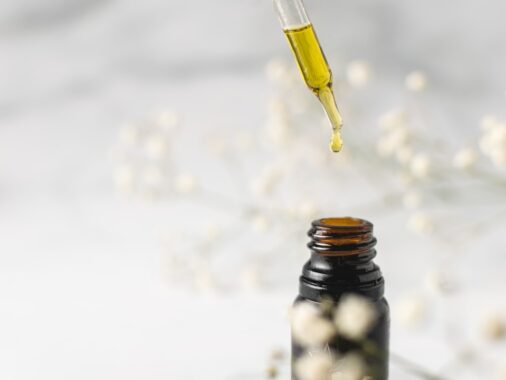
CBD stands for cannabidiol, a natural compound found in the hemp plant. CBD oil is a liquid extract where CBD is blended with a carrier oil, such as coconut (MCT) oil or hemp seed oil.
When people ask about the cbd oil meaning, they’re usually asking one thing: “Will this make me feel high?” The short answer is no. CBD is non-intoxicating and does not produce the “high” associated with THC.
Hemp vs. Marijuana: Why the Source Matters
Both hemp and marijuana come from the cannabis plant family. The key difference is their THC content.
- Hemp-derived CBD: Contains less than 0.3% THC and is federally legal in the U.S.
- Marijuana-derived CBD: May contain higher THC levels and is regulated by state laws.
Most CBD oil sold online and in wellness stores is derived from hemp.
CBD Oil Basics Explained for Beginners
Understanding the fundamentals helps you make better choices. This section focuses on cbd oil basics explained in everyday terms.
How CBD Works in the Body
Your body has an internal network called the endocannabinoid system (ECS). It helps regulate balance in areas like sleep, mood, and discomfort.
CBD interacts with this system indirectly. Instead of forcing a change, it supports the ECS in doing its job more effectively. Think of it as a gentle nudge rather than a push.
Common Reasons People Try CBD Oil
People use CBD oil for many personal wellness goals. While research is ongoing, common reasons include:
- Managing everyday stress
- Supporting restful sleep routines
- Easing post-workout soreness
- Promoting general balance and calm
It’s important to note that CBD is not a cure and should not replace medical treatment.
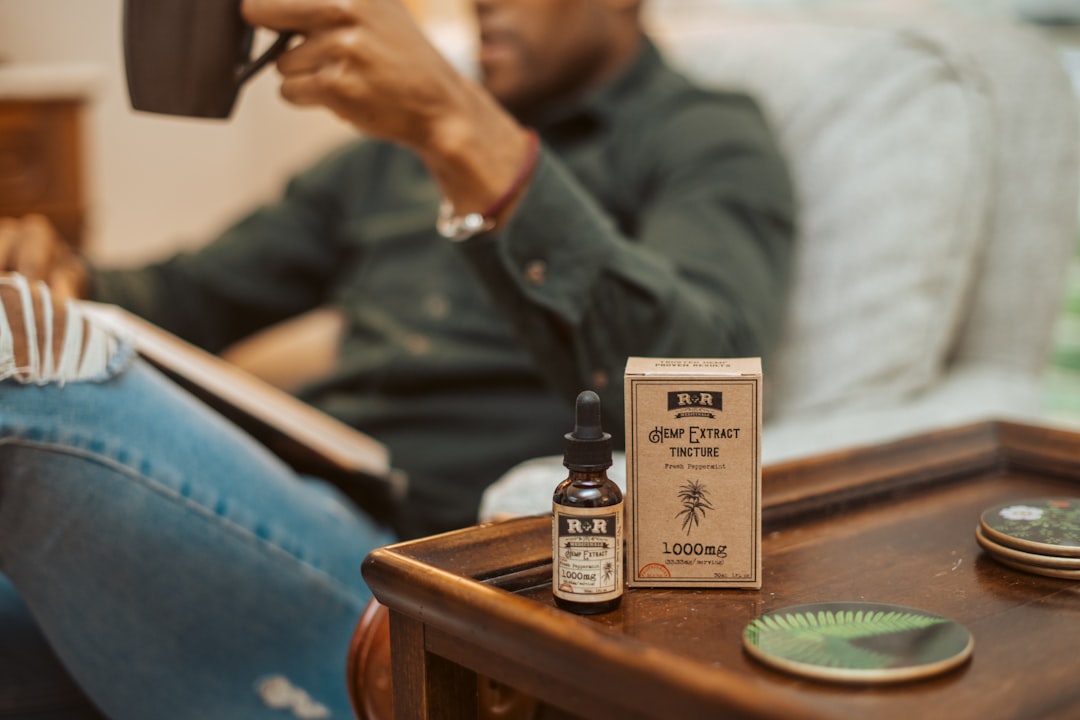
A Practical CBD Oil Overview: Types and Forms
A clear cbd oil overview includes understanding the different types available. Not all CBD oils are the same.
Types of CBD Oil
- Full-spectrum CBD: Contains CBD plus other hemp compounds, including trace THC.
- Broad-spectrum CBD: Includes multiple hemp compounds but no detectable THC.
- CBD isolate: Pure CBD with all other compounds removed.
Many beginners start with broad-spectrum or isolate to avoid THC altogether.
Common Delivery Methods
CBD oil is often taken sublingually, meaning drops are placed under the tongue. Other forms include:
- Capsules and softgels
- Gummies and edibles
- Topical creams and balms
Each method has a different onset time and experience, which we’ll cover later.
My First Experience with CBD Oil
To add a real-life perspective, here’s a relatable example. A few years ago, a friend of mine—let’s call her Sarah—was juggling a demanding job and poor sleep. She didn’t want prescription sleep aids and felt overwhelmed by online claims.
She started with a low-dose CBD oil, taking a few drops in the evening. After a week, she noticed her bedtime routine felt calmer. No dramatic changes, just a smoother transition into rest. That subtle effect helped her decide whether CBD fit into her lifestyle.
This kind of gradual, mindful approach is what many beginners find most helpful.
How to Choose CBD Oil Safely and Smartly
This step-by-step section focuses on practical expertise you can use right away.
Step 1: Check Third-Party Lab Reports
Reputable brands provide Certificates of Analysis (COAs). These reports confirm:
- CBD and THC content
- Purity and potency
- Absence of harmful contaminants
If a brand doesn’t share lab results, that’s a red flag.
Step 2: Read the Ingredient List
High-quality CBD oil should have minimal ingredients. Look for:
- A clear carrier oil (like MCT)
- No artificial colors or flavors
- No unnecessary fillers
Step 3: Start Low and Go Slow
Beginners often make the mistake of taking too much too soon. A safer approach is:
- Start with a low dose
- Maintain it for several days
- Adjust gradually based on how you feel
Consistency matters more than quantity.
Understanding Dosage Without the Guesswork
There’s no universal CBD dose. Factors like body weight, metabolism, and personal goals all play a role.
Many beginners start with 5–10 mg per day. From there, small adjustments help you find your “sweet spot.” Keeping a simple journal can make this process clearer.
Timing and Absorption
How you take CBD affects how quickly you notice effects:
- Sublingual oils: 15–45 minutes
- Edibles: 1–2 hours
- Topicals: Varies by area applied
Patience is key, especially during your first few weeks.
Is CBD Oil Legal and Safe in the U.S.?
In the United States, hemp-derived CBD oil with less than 0.3% THC is federally legal. However, state laws can vary slightly, so it’s wise to check local regulations.
As for safety, CBD is generally well tolerated. Some people may experience mild effects like drowsiness or digestive discomfort, especially at higher doses.
If you take medications or have a medical condition, consult a healthcare professional before starting.
Common Myths About CBD Oil
Let’s clear up a few misunderstandings that often trip up beginners.
- Myth: CBD works instantly for everyone.
Fact: Effects vary and may take time. - Myth: More CBD is always better.
Fact: Lower doses often work just as well. - Myth: All CBD oils are the same.
Fact: Quality and formulation differ widely.
Conclusion: Your Confident Start with CBD Oil
This cbd oil introduction was created to help you feel informed, not overwhelmed. By understanding the basics, choosing quality products, and starting slowly, you can decide whether CBD oil fits your wellness routine.
Curiosity is a great first step. If you’re ready, explore reputable brands, ask questions, and listen to your body. Thoughtful choices lead to better experiences.
Call to Action: Ready to take the next step? Start by reviewing a trusted CBD brand’s lab reports and consider talking with a healthcare professional before trying your first bottle.
Frequently Asked Questions About CBD Oil
Is CBD oil safe for beginners?
CBD oil is generally considered safe for beginners when used responsibly. Starting with a low dose and choosing third-party tested products reduces potential risks.
Will CBD oil make me feel high?
No, hemp-derived CBD oil does not produce a high. It contains little to no THC and is non-intoxicating.
How long does it take for CBD oil to work?
The timing varies by person and method. Sublingual oils may work within 30 minutes, while edibles can take up to two hours.
Can I take CBD oil every day?
Many people use CBD oil daily as part of a wellness routine. Consistent, moderate use is common among experienced users.
How do I know if a CBD oil is high quality?
High-quality CBD oil includes third-party lab results, clear labeling, and minimal, clean ingredients.