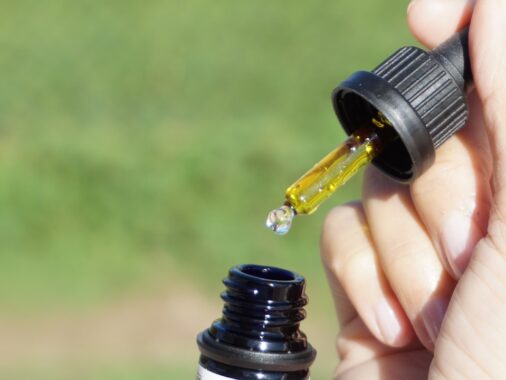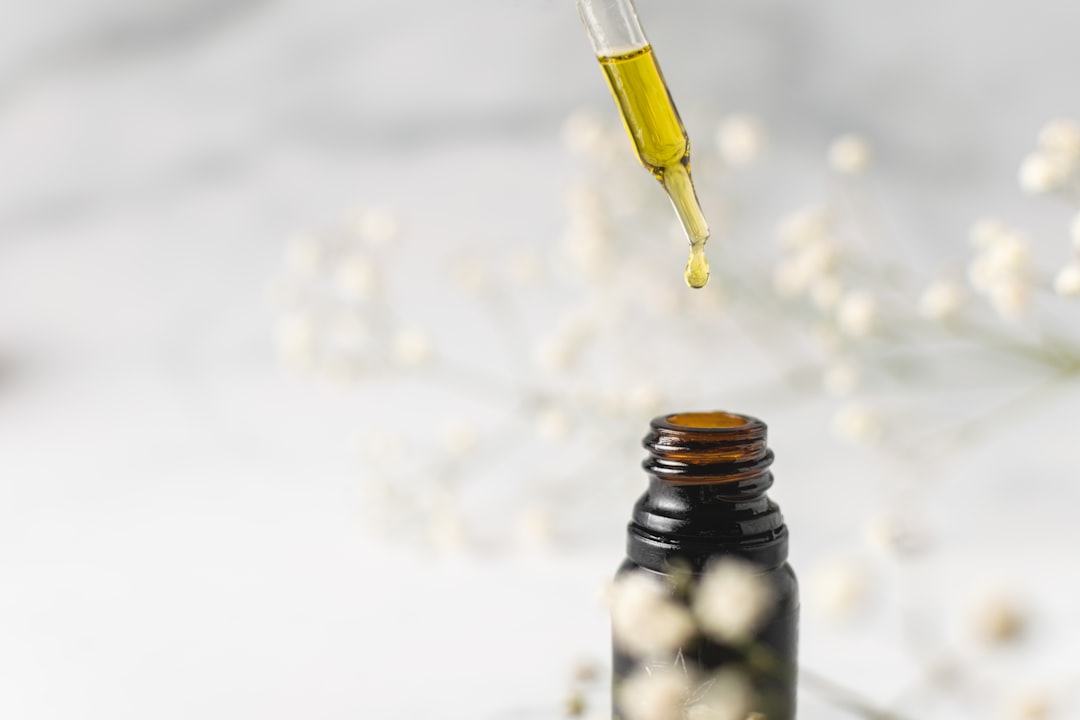

Why are so many people talking about CBD—and what does science actually say? If you’ve ever wondered whether the claims are real or just hype, you’re not alone. This article offers a clear, research-backed look at the cbd oil scientific explanation, breaking down how it works in the body and what modern studies reveal.
Instead of buzzwords, you’ll find practical insights grounded in biology, clinical observations, and real-life experiences. By the end, you’ll understand why researchers are paying close attention to CBD oil and how to evaluate it responsibly.
CBD Oil Scientific Explanation: What It Is and Why It Matters
CBD, short for cannabidiol, is a naturally occurring compound found in the Cannabis sativa plant. Unlike THC, CBD does not produce a “high.” CBD oil is typically extracted from hemp and combined with a carrier oil like MCT or hemp seed oil.
The scientific interest in CBD oil comes from its interaction with a powerful regulatory network in the human body called the endocannabinoid system. This system helps maintain balance, also known as homeostasis, across many functions.
How CBD Oil Is Different From Hemp Oil or THC
Many products are mislabeled, which leads to confusion. Understanding the differences helps you make informed decisions.
- CBD oil: Contains cannabidiol; no intoxicating effects.
- THC-rich cannabis oil: Causes psychoactive effects.
- Hemp seed oil: Nutritional oil with no CBD.
Scientific research focuses on CBD oil because of its potential therapeutic effects without impairment.
The Endocannabinoid System: The Core of CBD Oil Mechanism
To understand CBD, you need to understand the endocannabinoid system. This system exists in all mammals and plays a role in regulating mood, pain perception, immune response, sleep, and appetite.
Key Components of the Endocannabinoid System
The system has three main parts working together:
- Endocannabinoids: Natural compounds your body produces.
- Receptors: CB1 and CB2 receptors found throughout the body.
- Enzymes: Break down endocannabinoids after use.
CBD does not directly bind strongly to CB1 or CB2 receptors. Instead, it influences how these receptors respond, which is a key part of the cbd oil mechanism.
How CBD Supports Balance Without Intoxication
CBD works more like a modulator than a switch. It helps the body use its own endocannabinoids more effectively by slowing their breakdown. This subtle action explains why CBD feels gentle compared to THC.
Researchers believe this indirect influence is why CBD shows promise across many conditions without causing dependency.
What CBD Oil Studies Reveal So Far
Over the past decade, interest in CBD has surged. As a result, cbd oil studies now span lab research, animal models, and human trials.
Areas Most Studied by Scientists
While research is ongoing, several areas stand out:
- Neurological health, including seizure disorders
- Inflammation and immune response
- Anxiety and stress-related conditions
- Sleep quality and circadian rhythm
The strongest clinical evidence currently supports the use of prescription CBD for rare forms of epilepsy. Other uses show promise but require more data.
Limitations of Current Research
Not all studies are equal. Some rely on small sample sizes or short durations. Dosage, delivery method, and product quality vary widely, making comparisons difficult.
This is why responsible interpretation of research is essential when evaluating CBD oil.
Insights From CBD Oil Clinical Research
CBD oil clinical research focuses on safety, dosage, and effectiveness in humans. These studies are critical for separating anecdotal claims from evidence-based outcomes.
What Clinical Trials Tell Us About Safety
Most trials report that CBD is well tolerated. Common side effects, when they occur, are usually mild:
- Fatigue
- Digestive discomfort
- Changes in appetite
However, CBD can interact with certain medications, especially those processed by the liver. This is why medical guidance matters.
Dosage: Why One Size Does Not Fit All
Clinical research shows that effective doses vary widely depending on the condition and the individual. Factors include body weight, metabolism, and symptom severity.
Experts often recommend starting low and increasing gradually while monitoring effects.
A Real-Life Example: Making Sense of CBD Oil
Consider Sarah, a 42-year-old marketing professional dealing with chronic stress and poor sleep. After reading conflicting information online, she consulted her healthcare provider before trying CBD oil.
By starting with a low dose and tracking her sleep patterns for four weeks, Sarah noticed improved rest without morning grogginess. While her experience is personal, it reflects how thoughtful use aligns with scientific guidance.
This kind of measured approach reflects how researchers suggest individuals explore CBD responsibly.

Practical Guidance: Using CBD Oil Responsibly
If you’re considering CBD oil, science supports a careful, informed approach.
Step-by-Step Tips Based on Research
- Check third-party lab reports for purity and potency.
- Choose full-spectrum, broad-spectrum, or isolate based on your needs.
- Start with a low dose and increase slowly.
- Track effects in a journal for at least two weeks.
- Consult a healthcare professional if you take medications.
These steps align with best practices suggested by researchers and clinicians.
Common Myths vs. Scientific Reality
CBD oil is often surrounded by exaggerated claims. Science paints a more balanced picture.
- Myth: CBD cures everything.
- Reality: It supports certain conditions, with limits.
- Myth: More CBD is always better.
- Reality: Optimal dosing varies by person.
Understanding these distinctions helps you make evidence-based decisions.
Conclusion: CBD Oil Scientific Explanation in Plain Terms
The cbd oil scientific explanation shows that CBD works by supporting the body’s natural balance through the endocannabinoid system. Research continues to evolve, and while CBD is not a miracle cure, it holds meaningful potential when used responsibly.
If you’re curious about CBD oil, let science—not hype—guide your choices. Talk with a qualified professional, review credible studies, and listen to your body.
Call to Action: Want more science-backed wellness insights? Subscribe to our newsletter or consult a healthcare expert to explore whether CBD oil fits your needs.
Frequently Asked Questions
Is CBD oil scientifically proven to work?
CBD oil is scientifically proven for specific uses, such as certain seizure disorders. Other potential benefits are supported by early research but need more large-scale studies.
How does CBD oil interact with the endocannabinoid system?
CBD oil supports the endocannabinoid system by influencing receptor activity and slowing the breakdown of natural endocannabinoids, helping maintain balance.
Are there risks associated with CBD oil?
CBD is generally safe but may cause mild side effects or interact with medications. Consulting a healthcare provider is recommended.
What does clinical research say about CBD oil dosage?
Clinical research shows that effective CBD oil dosage varies by individual and condition. Starting low and adjusting gradually is the most common recommendation.
How can I choose a high-quality CBD oil?
Look for third-party lab testing, clear labeling, and transparent sourcing to ensure quality and safety.