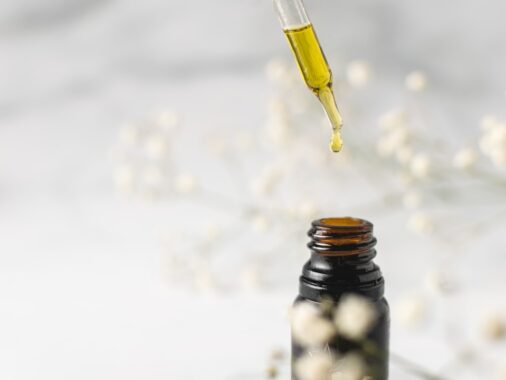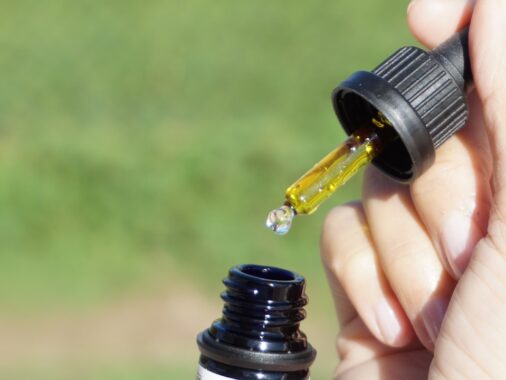

Have you ever picked up a bottle of CBD oil and wondered what it took to get from a humble hemp plant to that amber liquid? Understanding how cbd oil is made can help you choose better products and appreciate the science behind them. The process is more detailed than many people realize, blending agriculture, chemistry, and quality control into one carefully managed journey.
In this guide, I’ll walk you through every step, using plain language and real-world insight. Whether you’re a curious consumer or considering CBD for the first time, this article breaks it all down without hype or confusion.
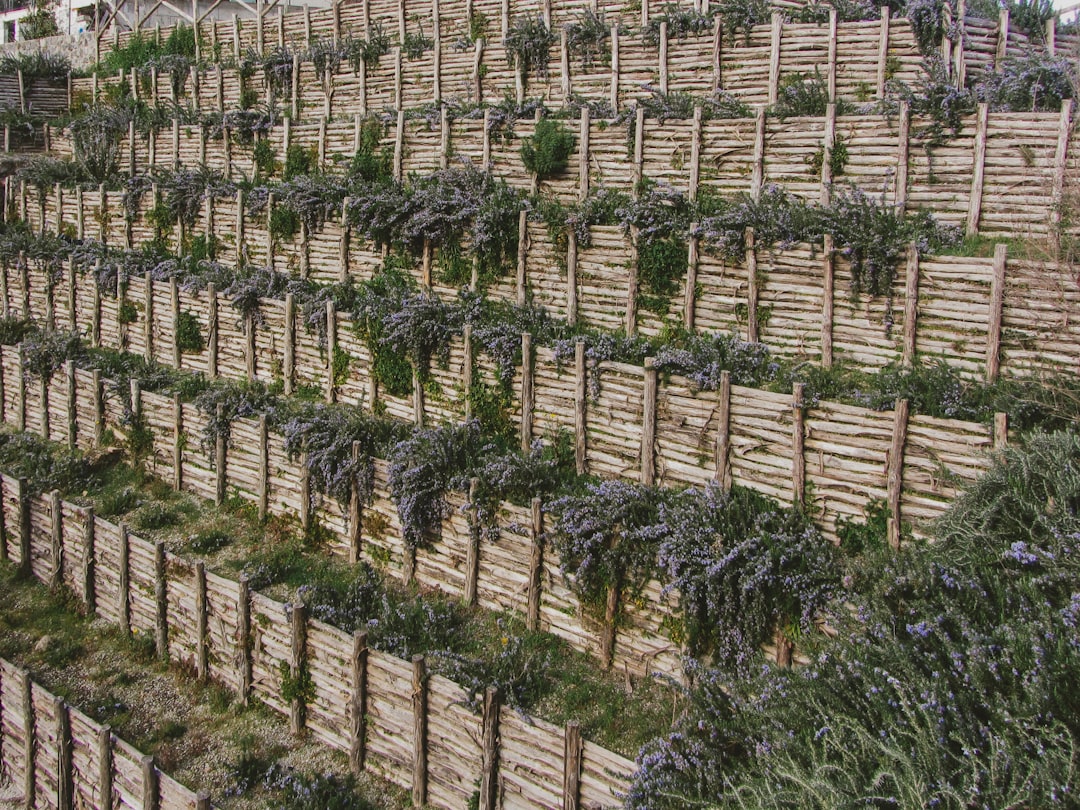
How CBD Oil Is Made: From Hemp Field to Bottle
At its core, CBD oil starts with hemp. But not just any hemp will do. The quality of the final oil depends on how the plant is grown, harvested, and processed. Each stage builds on the last, which is why trustworthy brands are transparent about their methods.
Let’s start at the very beginning, where quality is either created or compromised.
Step 1: Growing High-Quality Hemp
CBD oil production begins with cultivating industrial hemp plants that are rich in cannabidiol (CBD) and low in THC. In the United States, legal hemp must contain less than 0.3% THC by dry weight.
Experienced farmers focus on soil health, climate, and genetics. Hemp is known for being a “bioaccumulator,” meaning it absorbs compounds from the soil. That’s great for nutrients, but risky if the soil contains heavy metals or pesticides.
What Responsible Hemp Farming Looks Like
- Organic or pesticide-free growing practices
- Non-GMO hemp strains bred for high CBD content
- Regular soil and water testing
- Compliance with state and federal regulations
I once toured a small hemp farm in Colorado where the farmer personally tested soil samples every season. He explained that clean soil wasn’t just a selling point—it was essential for safety. That hands-on care directly impacts cbd oil quality later on.
Step 2: Harvesting and Hemp Processing
Once the hemp plants reach peak maturity, they are harvested. Timing matters. Harvest too early and CBD levels may be low. Harvest too late and cannabinoids can degrade.
After cutting, the plants go through hemp processing, which prepares them for extraction. This usually involves drying and curing to stabilize the plant material.
Key Parts of Hemp Processing
- Drying the harvested plants to reduce moisture
- Curing to preserve cannabinoids and terpenes
- Separating usable plant parts, mainly flowers and leaves
Proper drying prevents mold and preserves the chemical profile of the plant. This step is often overlooked, but it plays a major role in the consistency of the final oil.
Step 3: CBD Extraction Methods Explained
Extraction is where CBD is separated from the plant material. There are several cbd extraction methods, and each has pros and cons. The method used affects purity, potency, and safety.
CO2 Extraction (Gold Standard)
Supercritical CO2 extraction uses pressurized carbon dioxide to pull CBD and other beneficial compounds from hemp. It’s widely considered the cleanest and most precise method.
- No toxic solvents
- High efficiency and consistency
- Preserves cannabinoids and terpenes
This method requires expensive equipment and trained technicians, which is why higher-quality oils often cost more.
Ethanol Extraction
Ethanol extraction uses food-grade alcohol to dissolve cannabinoids. It’s effective and safe when done correctly, though it can extract chlorophyll, which may affect taste.
- Cost-effective for large-scale cbd oil production
- Efficient at extracting a wide range of compounds
- Requires careful filtration and refinement
Hydrocarbon and Oil-Based Methods
Some producers use butane, propane, or carrier oils like olive oil. While these methods can work, they carry higher risks or shorter shelf life if not managed properly.
Reputable brands typically avoid methods that could leave harmful residues behind.
Step 4: Refinement and Winterization
After extraction, the raw CBD extract still contains fats, waxes, and unwanted plant materials. Refinement improves purity and texture.
Winterization is a common refinement step. The extract is mixed with alcohol and chilled, causing fats and waxes to solidify and be removed.
Why Refinement Matters
- Smoother taste and appearance
- Improved absorption
- More consistent dosing
This step is crucial for producing a clean, professional-grade oil that consumers can trust.
Step 5: Formulation and Carrier Oils
Pure CBD extract is highly concentrated. To make it usable, manufacturers dilute it with a carrier oil. This step defines the strength and usability of the final product.
Common Carrier Oils
- MCT oil (from coconut): fast absorption, neutral taste
- Hemp seed oil: adds nutrients and a nutty flavor
- Olive oil: traditional but shorter shelf life
The formulation stage also determines whether the oil is full-spectrum, broad-spectrum, or CBD isolate.
Types of CBD Oil
- Full-spectrum: contains CBD plus other cannabinoids and trace THC
- Broad-spectrum: similar, but THC is removed
- Isolate: pure CBD with no other compounds
Step 6: Testing and CBD Oil Quality Control
Third-party testing is non-negotiable for ensuring cbd oil quality. Independent labs analyze the product to confirm potency, purity, and safety.
What Labs Test For
- CBD and THC levels
- Pesticides and heavy metals
- Residual solvents
- Microbial contaminants
Look for a Certificate of Analysis (COA) that matches the batch number on your bottle. Brands that share lab results openly tend to be more trustworthy.
Step 7: Bottling, Labeling, and Distribution
The final step in cbd oil production is bottling and labeling. Accurate labels help consumers understand dosage, ingredients, and usage.
Proper storage and distribution also matter. Exposure to heat, light, or air can degrade cannabinoids over time.
Signs of Responsible Labeling
- Clear CBD content per serving
- Ingredient list and carrier oil disclosure
- Batch number and lab test access
Why Knowing How CBD Oil Is Made Matters
When you understand how cbd oil is made, you’re better equipped to spot quality and avoid misleading products. Cheap oils often cut corners during extraction or skip proper testing.
In my own experience, switching to a brand that clearly explained its process made a noticeable difference in consistency and results. Transparency builds trust, and in an unregulated market, that trust is priceless.
Frequently Asked Questions About CBD Oil Production
Is CBD oil made from marijuana or hemp?
CBD oil is typically made from industrial hemp, not marijuana. Hemp contains high CBD and very low THC, making it legal at the federal level in the United States.
What is the safest CBD extraction method?
CO2 extraction is widely considered the safest method because it does not use toxic solvents and allows precise control over the final extract.
Does the extraction method affect CBD oil quality?
Yes, the extraction method directly affects purity, potency, and safety. Cleaner methods like CO2 extraction usually produce higher-quality oil.
Why is third-party testing important for CBD oil?
Third-party testing verifies that the product contains the stated amount of CBD and is free from harmful contaminants like pesticides and heavy metals.
Can hemp processing impact the final CBD oil?
Absolutely. Proper drying, curing, and handling during hemp processing help preserve cannabinoids and prevent contamination.
Final Thoughts: Choose CBD Oil with Confidence
Now that you know exactly how cbd oil is made, you can shop smarter and avoid low-quality products. From hemp farming to extraction and testing, every step shapes the oil you consume.
If you’re exploring CBD for the first time or considering a new brand, look for transparency, lab results, and clear explanations of their process. Ready to put this knowledge to use? Start by checking the label on your current bottle and see how much of the story it really tells.