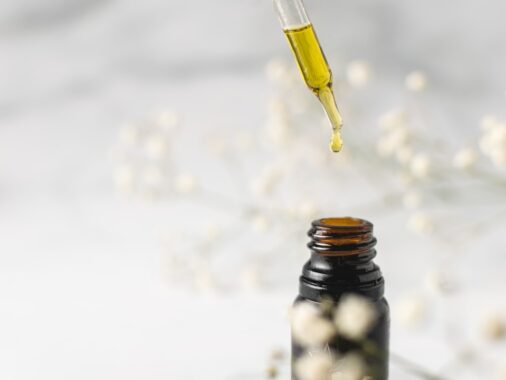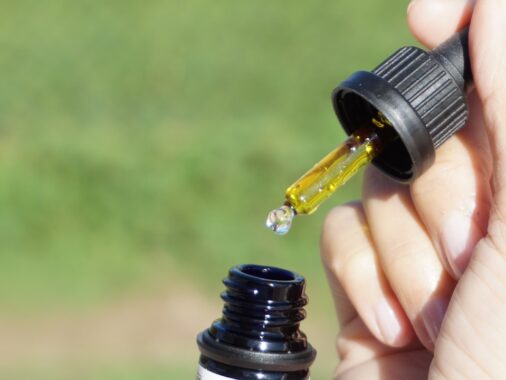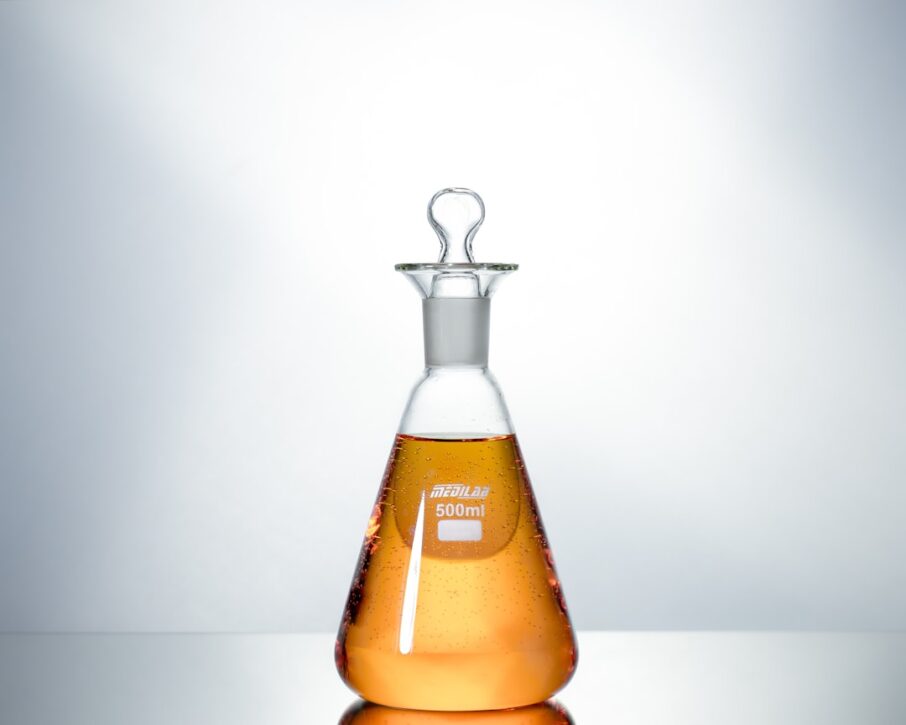

Have you ever looked at a bottle of CBD oil and wondered what’s actually inside? Many people use it daily, yet few truly understand the cbd oil chemical composition or why it matters. Knowing what makes up CBD oil can help you choose better products, use them more effectively, and feel confident about what you’re putting into your body.
In this guide, we’ll break down the science in plain English. You’ll learn how CBD oil is made, which compounds matter most, and how they work together. No lab coat required—just curiosity.

What Is CBD Oil Chemical Composition?
The cbd oil chemical composition refers to the full range of natural substances found in CBD oil. These substances come from the hemp plant and include CBD itself, along with many supporting compounds.
Think of CBD oil like a soup. CBD is the main ingredient, but the flavor, aroma, and benefits come from everything added to the pot. These components interact with each other and influence how the oil works in the body.
Why Chemical Composition Matters
Two CBD oils can have the same CBD amount but feel very different. That’s because their internal makeup is not identical. Understanding the composition helps explain differences in effectiveness, taste, and overall experience.
This is where cbd oil science becomes practical. It turns lab results into real-world decisions.
The Role of Cannabinoids in CBD Oil
Cannabinoids are natural compounds found in hemp that interact with the body’s endocannabinoid system. CBD is just one of over 100 known cannabinoids.
Each cannabinoid has its own properties, and together they shape how CBD oil feels and functions.
CBD: The Star Cannabinoid
Cannabidiol, or CBD, is non-intoxicating and widely studied. It’s often used to support relaxation, recovery, and overall balance.
CBD works indirectly by influencing receptors involved in mood, pain perception, and inflammation. This makes it versatile and appealing for everyday wellness.
Minor Cannabinoids You Should Know
High-quality oils often include small amounts of other cannabinoids, such as:
- CBG: Often called the “mother cannabinoid”
- CBN: Commonly associated with nighttime use
- CBC: Studied for its supportive properties
These cannabinoids don’t overpower CBD. Instead, they support it, adding subtle layers to the overall effect.
Terpenes: Aroma with a Purpose
Terpenes are aromatic compounds responsible for the scent of plants, including hemp. They do much more than smell nice.
In cbd oil compounds, terpenes can influence mood, relaxation, and focus. They also help define the oil’s flavor profile.
Common Terpenes Found in CBD Oil
You may see terpene names on lab reports or product labels. Common examples include:
- Myrcene: Earthy aroma, often linked to calm
- Limonene: Citrus scent, associated with uplift
- Pinene: Fresh pine aroma, tied to alertness
These compounds work alongside cannabinoids, a concept often called the entourage effect.
Flavonoids: The Overlooked Compounds
Flavonoids are natural plant compounds also found in fruits and vegetables. In hemp, they contribute color and subtle taste.
Although present in smaller amounts, flavonoids support the overall cbd oil chemical composition by adding antioxidant properties.
They also help explain why whole-plant extracts may feel different from isolated CBD.
Carrier Oils and Supporting Ingredients
CBD extract doesn’t work alone. It’s blended with a carrier oil to improve absorption and stability.
Most Common Carrier Oils
- MCT oil: Fast absorption and neutral taste
- Hemp seed oil: Nutrient-rich with a nutty flavor
- Olive oil: Traditional and antioxidant-rich
The carrier oil affects how quickly CBD enters your system and how the oil tastes.
How Extraction Methods Shape CBD Oil Science
Extraction is the process of pulling compounds from the hemp plant. The method used directly affects purity and composition.
Popular Extraction Techniques
- CO2 Extraction: Clean, precise, and widely trusted
- Ethanol Extraction: Efficient but requires careful refinement
- Oil Infusion: Traditional but less concentrated
CO2 extraction is often considered the gold standard in cbd oil science because it preserves delicate compounds without harsh residues.
Full-Spectrum vs Broad-Spectrum vs Isolate
Understanding labels helps you match a product to your needs.
Full-Spectrum CBD Oil
Contains all naturally occurring cannabinoids, terpenes, and flavonoids, including trace THC within legal limits.
Broad-Spectrum CBD Oil
Includes multiple hemp compounds but removes THC entirely.
CBD Isolate
Pure CBD with no additional compounds. Simple but less complex.
Your choice affects the overall cbd oil chemical composition and how the oil feels.

A Real-Life Example: Why Composition Matters
A friend of mine switched CBD oils after months of mixed results. The first product was an isolate. It worked, but felt flat.
When she tried a full-spectrum oil with visible terpene content, the difference was noticeable. She described it as “rounder” and more consistent. That experience highlights how cannabinoids, terpenes, and flavonoids work together.
How to Read a CBD Lab Report Step by Step
Lab reports, also called Certificates of Analysis (COAs), show exactly what’s in your oil.
- Check CBD content matches the label
- Look for a cannabinoid breakdown
- Review terpene profile if available
- Confirm no harmful contaminants
This step builds trust and ensures the cbd oil compounds align with your goals.
Safety, Quality, and Transparency
Reputable brands share full lab reports and sourcing details. Transparency supports safety and long-term trust.
Always choose products tested by independent labs and sourced from U.S.-grown hemp.
Conclusion: Understanding CBD Oil Chemical Composition
The cbd oil chemical composition is more than a technical term. It’s the blueprint that explains how CBD oil works, why products differ, and how to choose wisely.
By understanding cannabinoids, terpenes, flavonoids, and extraction methods, you become an informed consumer—not just a user.
Call to Action: Before your next purchase, review the lab report and ingredient list. Your body deserves clarity, not guesswork.
Frequently Asked Questions
What is CBD oil chemical composition?
It refers to all the natural compounds found in CBD oil, including CBD, other cannabinoids, terpenes, flavonoids, and carrier oils.
Are all cannabinoids the same?
No. Each cannabinoid has unique properties and interacts differently with the body.
Do terpenes really matter in CBD oil?
Yes. Terpenes influence aroma, flavor, and how CBD feels when used.
Is full-spectrum CBD oil better?
Not always. Full-spectrum offers more compounds, but the best choice depends on personal needs and preferences.
How can I verify CBD oil quality?
Check third-party lab reports for cannabinoid content, terpene profiles, and safety testing.