
Have you ever stood in a wellness aisle staring at two bottles and wondered, “Are these basically the same thing?” You’re not alone. One of the most common points of confusion I see—both online and in real life—is the debate around cbd oil vs hemp oil. They come from the same plant family, look similar on the shelf, and are often marketed with overlapping claims. Yet, they serve very different purposes.
I’ve had friends buy the “wrong” one and feel frustrated when it didn’t work as expected. This guide is here to clear that up. By the end, you’ll know exactly what each oil is, how it’s used, and which one makes sense for your needs.
CBD Oil vs Hemp Oil: Why the Confusion Exists
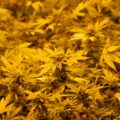
The confusion starts with the hemp plant itself. Both oils come from hemp, which is a variety of the Cannabis sativa plant. However, the part of the plant used—and what’s inside the oil—makes all the difference.
Manufacturers don’t always help. Labels often use terms like “hemp extract,” “cannabis oil,” or “full-spectrum,” which can blur the line for shoppers. Understanding the source and composition is the fastest way to separate fact from marketing.
Quick Snapshot of the Key Difference
- CBD oil is extracted from the flowers, leaves, and stalks of hemp and contains cannabidiol (CBD).
- Hemp oil, often called hemp seed oil, is pressed from hemp seeds and contains no meaningful CBD.
What Is CBD Oil, Really?
CBD oil is a wellness product made by extracting cannabidiol from the hemp plant. CBD is one of many naturally occurring compounds called cannabinoids. Unlike THC, it does not make you feel “high.”
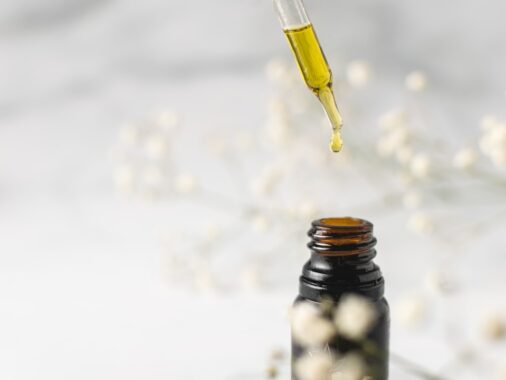
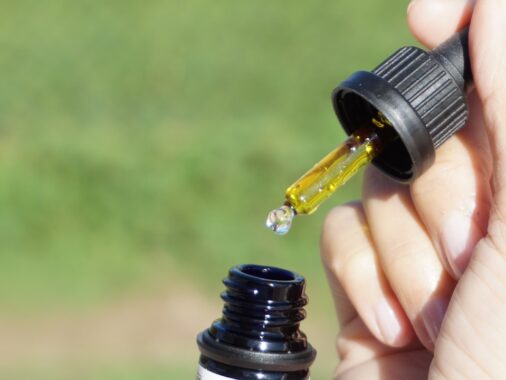
After extraction, CBD is usually mixed with a carrier oil such as MCT coconut oil or olive oil. This improves absorption and makes dosing easier.
How CBD Oil Is Made
Quality matters here. Reputable brands use methods that preserve the plant’s beneficial compounds.
- Hemp plants are harvested at peak maturity.
- CBD is extracted using CO₂ or ethanol extraction.
- The extract is refined and tested by third-party labs.
- It’s blended with a carrier oil for consumption.
CBD Oil Benefits People Commonly Seek
Research into CBD is ongoing, but many users report positive experiences. Commonly discussed cbd oil benefits include:
- Supporting everyday stress management
- Promoting a sense of calm and focus
- Helping with post-workout recovery
- Supporting sleep routines
It’s important to note that CBD is not a cure or a guaranteed solution. Results vary based on dosage, body chemistry, and product quality.
What Is Hemp Oil (Hemp Seed Oil)?
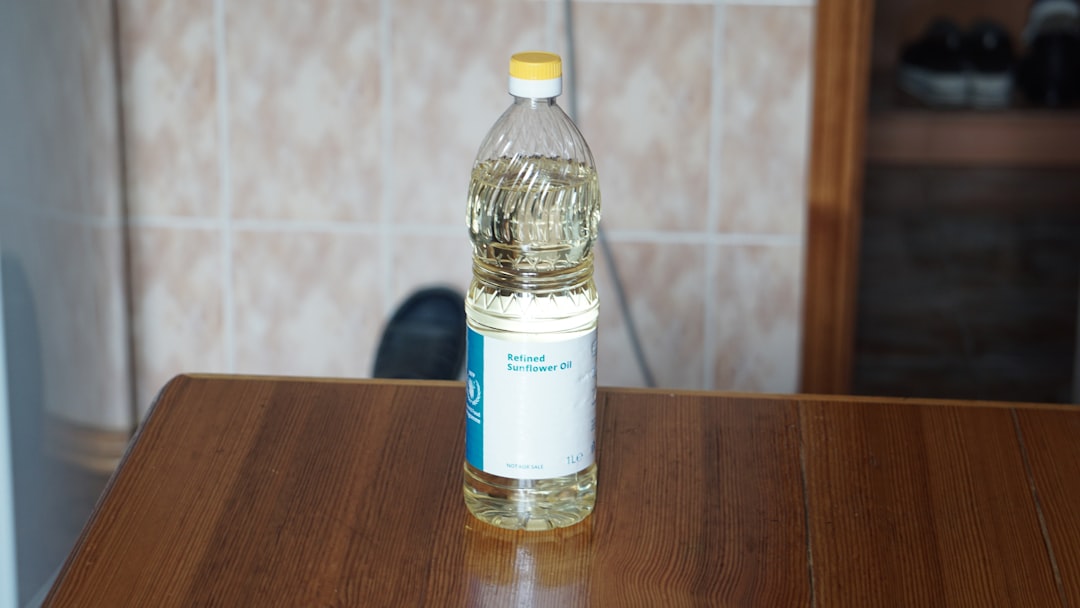
Hemp oil, more accurately called hemp seed oil, is a nutritional oil made by cold-pressing hemp seeds. These seeds do not naturally contain CBD or THC.
This oil has been used for decades in cooking, skincare, and supplements due to its rich nutrient profile.
Nutritional Profile of Hemp Seed Oil
Hemp seed oil is prized for what it contains—not cannabinoids, but nutrients.
- Omega-3 and omega-6 fatty acids
- Vitamin E
- Plant-based protein traces
- Antioxidants
Common Hemp Oil Uses
Because of its nutrition and mild, nutty flavor, hemp oil uses are quite diverse:
- Salad dressings and smoothies
- Moisturizers and hair products
- Dietary supplements for heart health
- Massage and body oils
Think of hemp seed oil as a food or cosmetic ingredient, not a therapeutic cannabinoid product.
CBD Oil vs Hemp Oil: A Side-by-Side Comparison
Sometimes, seeing the differences laid out simply makes everything click. This cbd oil comparison highlights what truly sets them apart.
- Source: CBD oil comes from flowers and leaves; hemp oil comes from seeds.
- CBD Content: CBD oil contains cannabidiol; hemp oil does not.
- Main Purpose: CBD oil is used for wellness support; hemp oil is used for nutrition and skincare.
- Taste: CBD oil is earthy or bitter; hemp oil is nutty and mild.
- Legal Status: Both are federally legal in the U.S. if derived from hemp with less than 0.3% THC.
CBD vs Hemp Seed Oil: Which One Is Right for You?
When deciding between cbd vs hemp seed oil, start with your goal.
- If you’re looking for calming or recovery support, CBD oil may be the better fit.
- If you want a nutritious oil for food or skin, hemp seed oil is the clear winner.
Some people actually keep both at home, using each for its own strengths.
A Real-Life Example: Learning the Hard Way
A close friend of mine once bought hemp oil thinking it would help her unwind after long workdays. She added it to her tea every night for a week and felt nothing. Frustrated, she assumed “CBD doesn’t work.”
After we talked, she realized she had purchased hemp seed oil, not CBD oil. Once she switched to a lab-tested CBD product and adjusted the dose slowly, she noticed a difference within days. The issue wasn’t the plant—it was the product choice.
This kind of mix-up is incredibly common and completely avoidable with the right information.
How to Choose a Quality Product Step by Step
Whether you’re buying CBD oil or hemp oil, quality matters. Follow these practical steps to shop smarter.
Step 1: Read the Label Carefully
Look for clear wording. “CBD oil” should list cannabidiol content in milligrams. Hemp oil should clearly say “hemp seed oil.”
Step 2: Check for Third-Party Testing
For CBD oil especially, reputable brands provide Certificates of Analysis (COAs). These confirm cannabinoid content and screen for contaminants.
Step 3: Review the Ingredient List
Shorter is better. Avoid unnecessary additives, artificial flavors, or fillers.
Step 4: Match the Product to Your Goal
Don’t rely on hype. Choose based on how you plan to use the oil—nutrition, skincare, or wellness support.

Safety, Legality, and Common Misconceptions
Both oils are legal in the United States when derived from hemp. CBD oil must contain less than 0.3% THC to be federally compliant.
CBD may interact with certain medications. If you take prescriptions or have a medical condition, it’s wise to consult a healthcare professional before starting.
Hemp seed oil is generally recognized as safe as a food product and is widely used in grocery items.
Final Thoughts on CBD Oil vs Hemp Oil
The debate around cbd oil vs hemp oil isn’t about which is better overall—it’s about which is better for you. One supports wellness routines through cannabinoids, while the other offers nutritional and cosmetic benefits.
Understanding the difference empowers you to spend your money wisely and avoid disappointment. When you match the oil to your goal, both can be valuable additions to a healthy lifestyle.
Ready to choose with confidence? Take a moment to review your needs, read labels carefully, and start with a high-quality product that aligns with your goals.
Frequently Asked Questions
Is CBD oil the same as hemp oil?
No, CBD oil and hemp oil are not the same. CBD oil contains cannabidiol from hemp flowers and leaves, while hemp oil is made from hemp seeds and contains no meaningful CBD.
Can hemp oil make you feel high?
No, hemp seed oil does not contain THC or CBD, so it cannot make you feel high.
What should I use CBD oil for?
People commonly use CBD oil to support relaxation, stress management, recovery, and sleep routines, though results can vary.
Is hemp seed oil good for cooking?
Yes, hemp seed oil is often used in salad dressings and cold dishes, but it should not be heated to high temperatures.
How do I know if a CBD oil is high quality?
High-quality CBD oil includes third-party lab testing, clear labeling of CBD content, and a short, transparent ingredient list.